
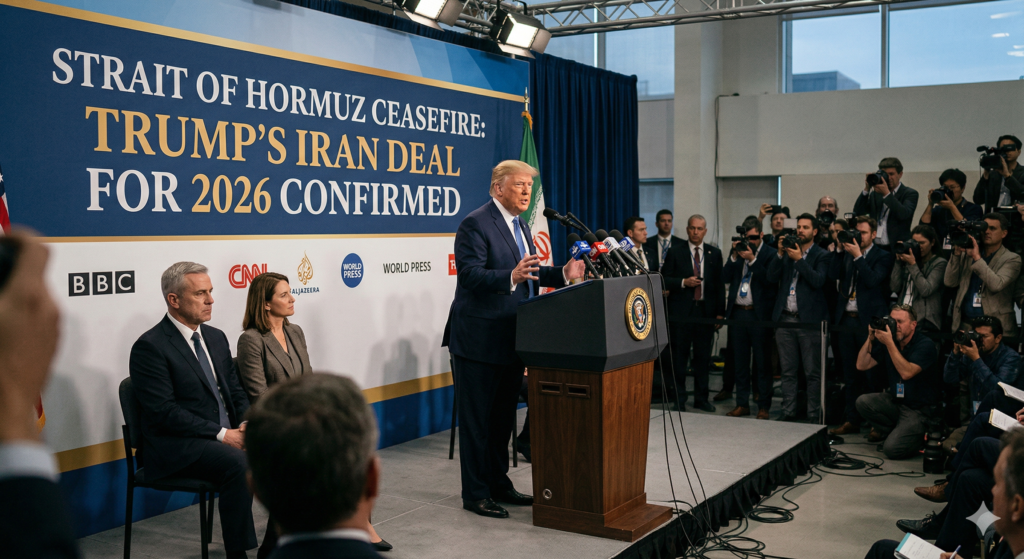
For weeks, the world has watched with bated breath as tensions in the Persian Gulf reached a boiling point. The Strait of Hormuz, a narrow waterway vital to the global economy, was thrust into the spotlight as the epicenter of a dangerous standoff. Now, a sudden, dramatic shift is on the horizon: a potential Strait of Hormuz ceasefire Trump Iran 2026 agreement that promises to de-escalate the crisis, reopen vital shipping lanes, and send shockwaves through global energy markets. But what does this deal actually look like, and more importantly, what does it mean for the average American family? This article cuts through the noise to explain the proposed ceasefire, its real-world economic impact, and the fragile path to stability that lies ahead.
What Is the Proposed Strait of Hormuz Ceasefire Deal?
At its core, the current discussion revolves around a high-stakes negotiation aimed at halting military actions in and around the Strait of Hormuz. This potential Trump Iran ceasefire deal is built on a mutual agreement to cease hostilities, allowing commercial vessels—including massive oil tankers—to pass freely once again. Reportedly pushed through intense back-channel diplomacy, the proposal centers on a verification process and a phased withdrawal of military assets from the immediate vicinity of the strait.
Key Terms of the Hypothetical Agreement
While the final details are still being ironed out, leaked information and insider reports point to several key components. The deal reportedly includes a Trump two-week ceasefire Iran deadline for initial de-escalation steps, such as releasing detained vessels and ending “provocative” naval maneuvers. This initial two-week period, monitored by international observers, would act as a crucial confidence-building measure for a more comprehensive, long-term agreement. The primary objective is clear: to ensure the Strait of Hormuz reopening, a move that would immediately signal a significant reduction in regional risk.
Why the Strait of Hormuz Is the World’s Most Critical Waterway
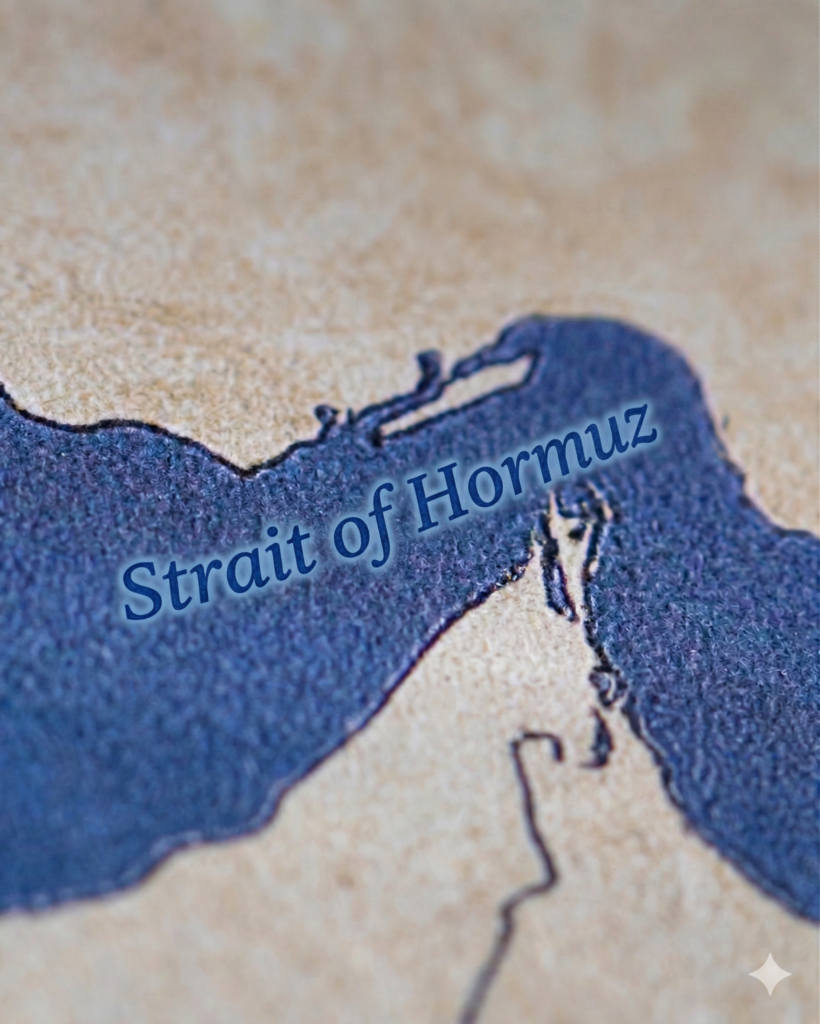
To understand the gravity of this situation, you have to grasp the immense strategic importance of the Strait of Hormuz. This narrow chokepoint, nestled between Iran and Oman, is the only maritime passage from the Persian Gulf to the open ocean. Think of it not just as an important route, but as the world’s economic jugular—a main artery through which the lifeblood of global commerce flows.
Every single day, roughly 20-25% of the world’s total oil consumption passes through this strait. That’s nearly 21 million barrels of oil, transported by a constant stream of tankers. A disruption here doesn’t just affect a few countries; it has an immediate and cascading impact on the entire global economy. Any threat to shipping—whether from naval blockades, mines, or direct attacks—creates massive uncertainty and sends insurance costs for tankers skyrocketing. And that cost is always, eventually, passed down to consumers everywhere.
Immediate Economic Impact: Hormuz Strait Crisis Ends, Oil Shipping Resumes
The most immediate and tangible effect of a successful ceasefire would be felt in global energy markets. For weeks, the mere threat of a closure had pushed oil prices to multi-month highs. Traders were pricing in a significant “risk premium,” fearing that supply chains could be severed at any moment. The announcement of a ceasefire would trigger the exact opposite reaction.
News that the Hormuz Strait crisis ends and oil shipping resumes would likely lead to a sharp and immediate drop in both Brent and WTI crude prices. Analysts predict we could see prices fall by $10-$15 per barrel almost overnight as the fear premium evaporates. This is a textbook example of geopolitical risk directly translating to market volatility.
How Lower Global Oil Prices Translate to Savings at the Pump
For drivers across the United States, this is the detail that matters most. Global crude oil prices are the single biggest factor in determining gasoline prices. A significant drop in the price per barrel works its way through the supply chain, starting with refineries and eventually arriving at your local gas station. While the effect isn’t instantaneous, Americans could see the national average price of a gallon of gas fall by 20 to 40 cents or more within a few weeks of the Strait of Hormuz reopening oil prices drop being confirmed. That’s tangible relief for household budgets that have been strained by inflation.
US Iran Ceasefire 2026: Latest Updates and Geopolitical Shifts
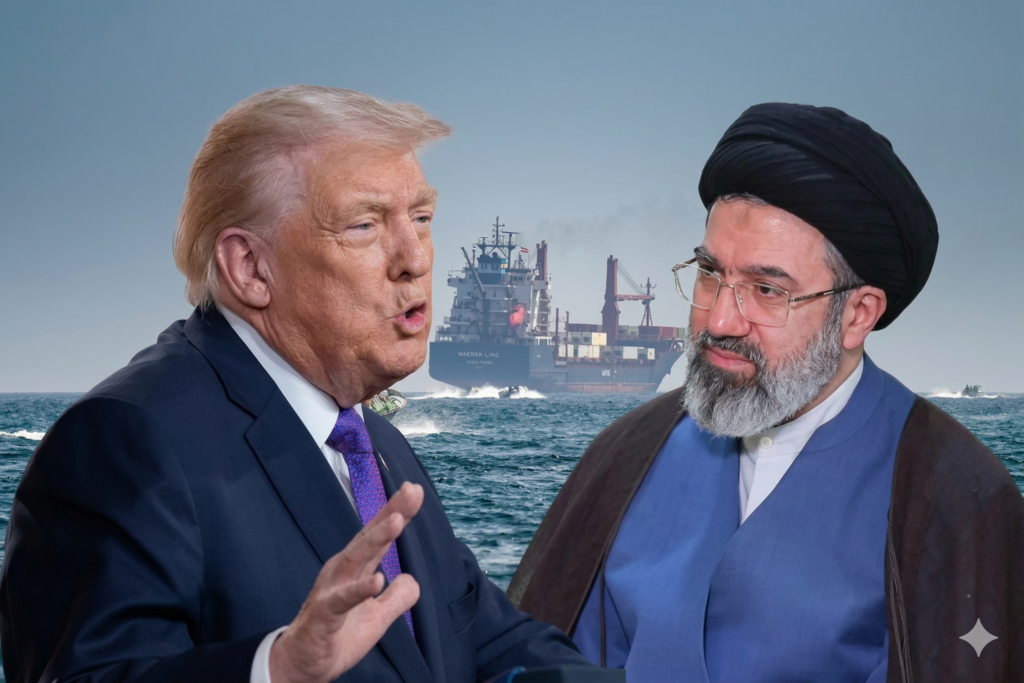
Beyond the economics, a US Iran ceasefire 2026 represents a monumental shift in regional and global politics. If finalized, this deal would mark a pivotal moment in the tumultuous relationship between the two nations. For the US Iran ceasefire 2026 latest updates, the focus is on the delicate diplomatic architecture required to maintain the peace.
This agreement would involve complex commitments not just from the U.S. and Iran, but also from regional allies. Saudi Arabia and Israel, both deeply wary of Iran’s influence, will be watching closely. For the United States, a successful deal would be a major foreign policy achievement, demonstrating an ability to de-escalate a major crisis without resorting to military force. However, it would also face intense scrutiny from hawks in Congress who may view the agreement as too concessionary. The success of this ceasefire hinges on whether it can serve as a stepping stone to broader talks on Iran’s nuclear program and its regional activities.
Potential Hurdles to a Lasting Peace in the Region
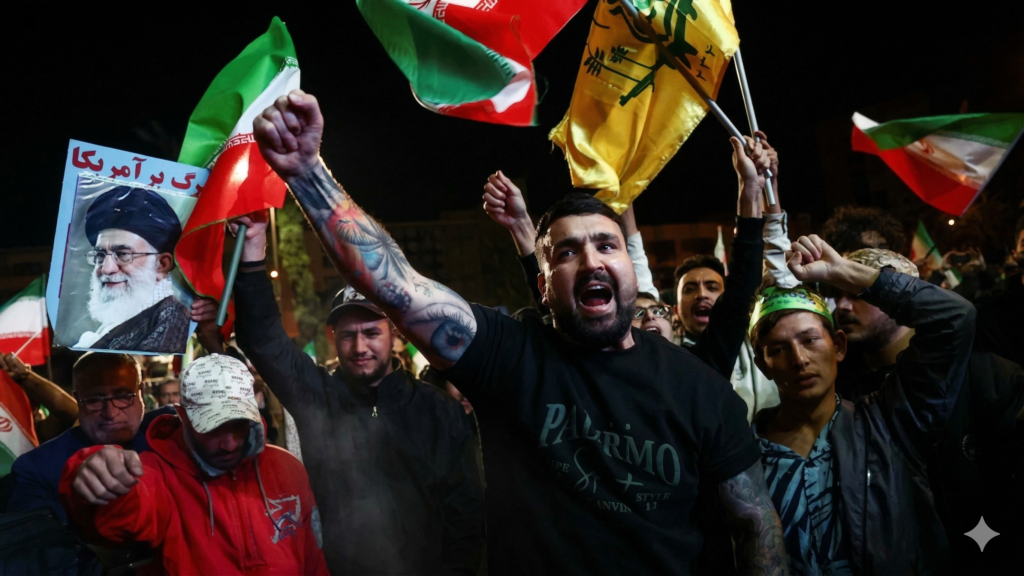
Despite the optimistic headlines, it’s crucial to approach this deal with cautious realism. A ceasefire is not a peace treaty, and the underlying issues that fueled the crisis remain. Hardliners in both Washington and Tehran may actively work to undermine the agreement, viewing any compromise as a sign of weakness.
The risk of a miscalculation or a “rogue” action by a proxy force in the region remains high. A single incident—a drone attack or an intercepted vessel—could unravel the fragile trust and plunge the region right back into conflict. The two-week deadline is just the first, and perhaps easiest, step. Sustaining the ceasefire and building a more durable security framework will require immense political will and continued, delicate diplomatic engagement from all sides.
FAQ:
Q1: What exactly is the Strait of Hormuz? The Strait of Hormuz is a narrow, strategically vital waterway connecting the Persian Gulf to the Gulf of Oman. It is the world’s most important oil transit chokepoint, with about one-fifth of all global oil consumption passing through it daily.
Q2: How does a conflict there affect my gas prices? When conflict threatens the Strait, it creates a risk that oil supplies will be disrupted. This fear drives up the price of crude oil on the global market, and that increase is passed along to refineries and ultimately to consumers at the pump, leading to higher gas prices.
Q3: Who are the key players in a Trump Iran ceasefire deal? While the primary negotiators are the United States and Iran, other key players include regional allies like Saudi Arabia, Oman (which often acts as a mediator), and Israel. Global powers like China and Russia, who have a vested interest in the free flow of oil, are also closely involved.
Q4: Is the Strait of Hormuz completely safe now? No. A potential ceasefire significantly reduces the immediate risk and normalizes shipping, but it does not eliminate all danger. The underlying geopolitical tensions remain, and the situation requires constant monitoring to ensure the ceasefire holds and vessels can transit safely.
A Fragile Path to Stability and Lower Prices
The prospect of a Strait of Hormuz ceasefire Trump Iran 2026 offers a beacon of hope in a turbulent world. It promises not only the de-escalation of a dangerous military standoff but also tangible economic benefits, from stabilizing global markets to lowering gas prices for American families. The Trump Iran ceasefire deal Strait of Hormuz reopening scenario, while still hypothetical, highlights the deeply interconnected nature of global security and our daily lives. However, this is only the first step on a long and challenging path. The deal is fragile, and the potential for setbacks is real. As this historic situation continues to unfold, staying informed is more critical than ever. Follow reputable news sources for the latest updates to understand how this developing story will shape our world in the weeks and months to come.
For More Information
Related Article
Euphoria Season 3 Premieres April 12, 2026 on HBO — Cast, Plot & What to Expect
Aubrey Plaza Pregnant: Expecting First Baby with Christopher Abbott, Due Fall 2026
Rapper Offset Shot at Florida Casino: Stable Condition, 2 Suspects Detained
Gavin Newsom First Partner Controversy 2026: What Critics Are Saying — and Why It Could Define 2028
3 thoughts on “Strait of Hormuz Ceasefire: Trump’s Iran Deal for 2026 Confirmed”