
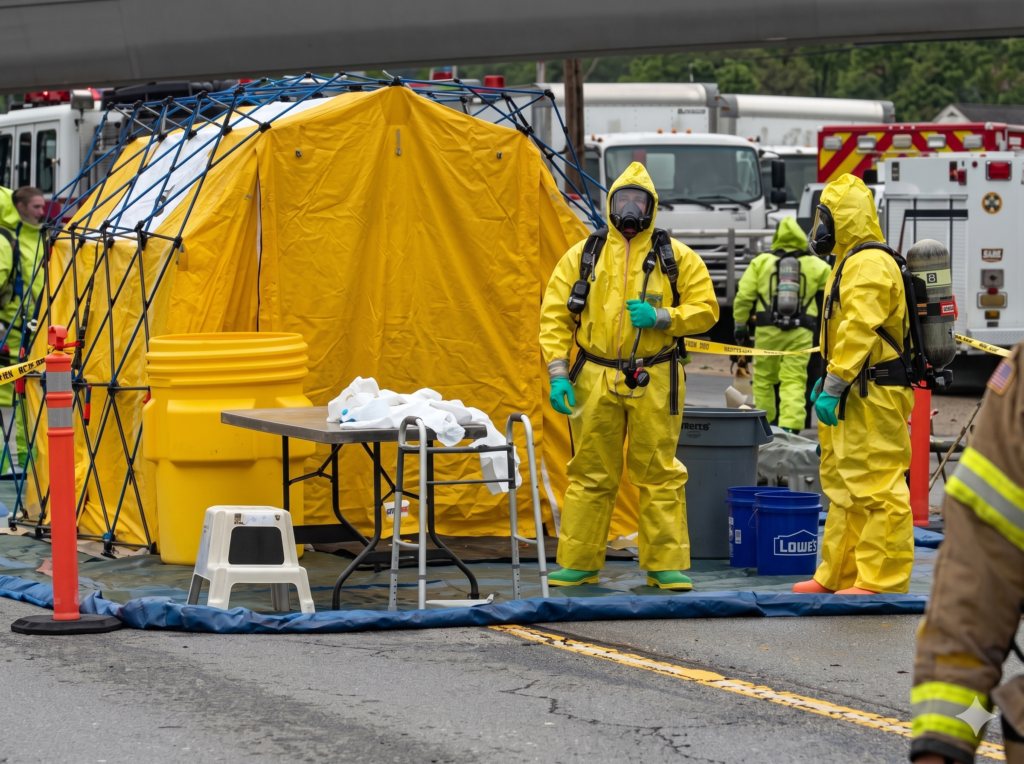
April 22, 2026 began like any other workday at the Catalyst Refiners plant near Institute, West Virginia. A planned shutdown was underway — the kind of procedural operation that workers carry out dozens of times a year. By mid-morning, however, two people were dead, a third was fighting for their life, and more than 30 others had been rushed to area hospitals. A chemical reaction that was supposed to be routine had turned catastrophic.
The incident shook the Kanawha Valley community and set off urgent questions about workplace safety, chemical handling procedures, and whether this tragedy could have been avoided. Here is a comprehensive account of what happened, who was affected, and what investigators are now working to determine.
| 2 Workers Killed | 30+ People Hospitalised | 7 First Responders Exposed | 1 Mile Shelter-in-Place Radius |
What Happened at the Catalyst Refiners Plant?
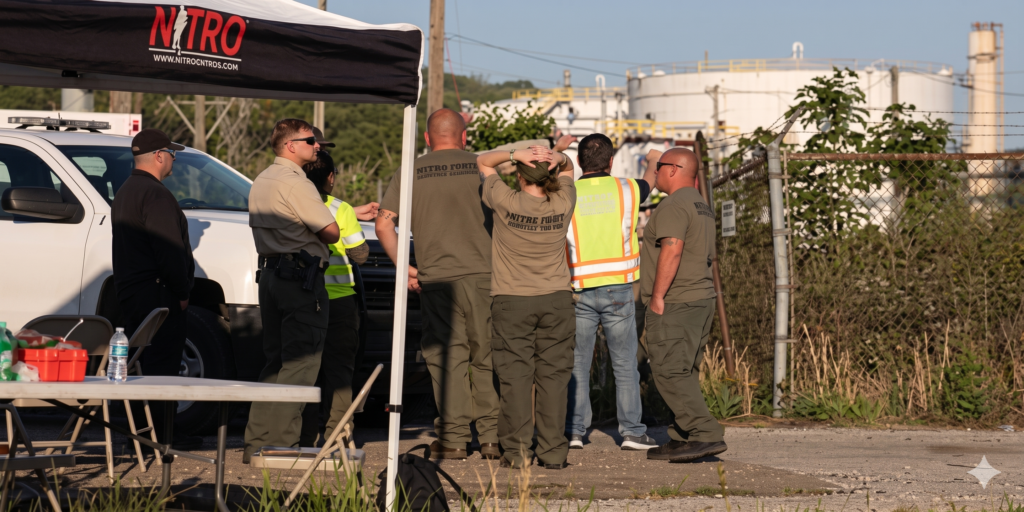
The chemical release occurred between approximately 9:30 and 9:46 in the morning at the Catalyst Refiners facility, situated between the towns of Nitro and Institute in Kanawha County — about 10 miles west of Charleston, the state capital.
According to Kanawha County Emergency Management Director C.W. Sigman, plant workers were in the process of decommissioning a storage tank that morning. During the decontamination phase of that process, two chemical substances — nitric acid and a compound known as M2000A — came into contact with each other. The result was what Sigman described as a near-instantaneous “violent reaction.”
“Starting or ending a chemical reaction are the most dangerous times.”
— C.W. Sigman, Kanawha County Emergency Management Director
The reaction generated hydrogen sulfide gas — one of the most acutely toxic substances found in industrial environments. At sufficient concentrations, hydrogen sulfide can render a person unconscious within seconds and cause death in minutes. Two workers were found dead at the scene when emergency personnel arrived. A third was transported to hospital in critical condition.
About Catalyst Refiners and Its Parent Company
Catalyst Refiners is a precious metals recovery and silver catalyst manufacturing facility owned by Ames Goldsmith Corporation, a company based in South Glens Falls, New York. The plant processes spent catalyst material from the production of ethylene oxide, an industrial chemical with broad applications in plastics, pharmaceuticals, and consumer products.
In a public statement, Ames Goldsmith President Frank Barber acknowledged the severity of the situation, calling it “an unfathomably difficult time” and expressing condolences to the victims’ families. The company stated that it would cooperate fully with all local, state, and federal investigations.
A Timeline of Events: How the Crisis Unfolded on April 22, 2026
9:30 – 9:46 a.m.
A violent chemical reaction occurs inside the Catalyst Refiners plant during decommissioning operations. Hydrogen sulfide gas is released into the facility.
Immediately after
Workers already inside the plant act quickly — many don them respirators and assist in evacuating colleagues from the affected area.
First responders arrive
Seven ambulance workers responding to the scene are themselves exposed to the toxic gas and require medical evaluation. Other victims are transported by private vehicles, county transit buses, and in at least one instance, a garbage truck.
Shelter-in-place issued
Authorities issue a one-mile shelter-in-place order around the plant, covering an area from West Virginia State University to the Nitro/St. Albans Bridge along Route 25.
~10:30 a.m.
A partial shelter-in-place order affecting portions of St. Albans is lifted after air quality readings improve in that area.
Evening press conference
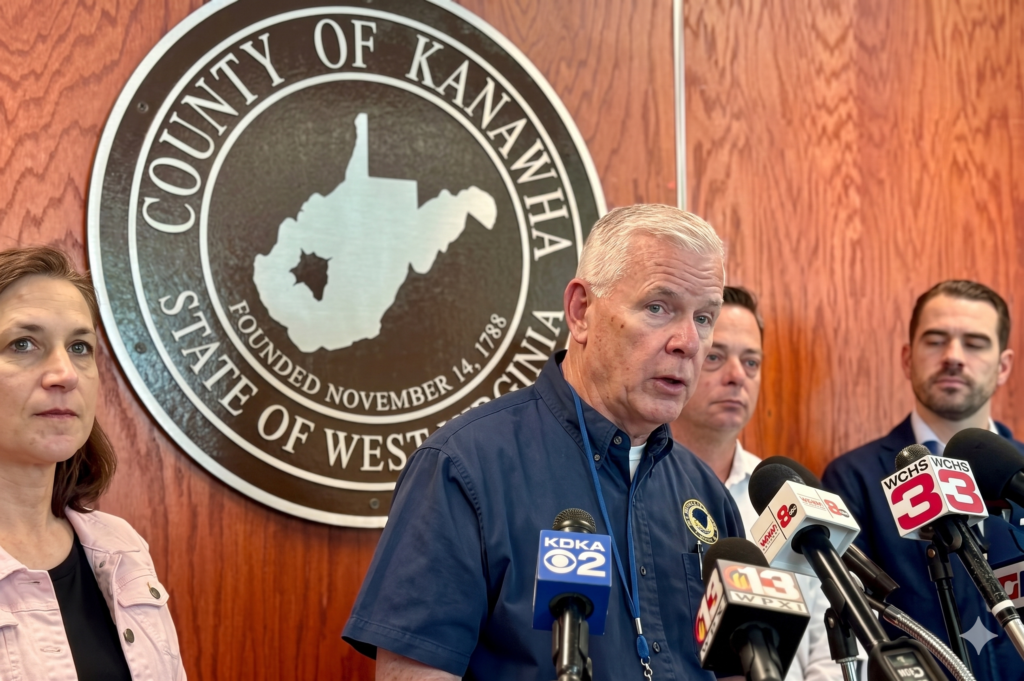
Governor Patrick Morrisey addresses the public alongside Kanawha County Commissioners Natalie Tennant, Ben Salango, and Lance Wheeler. All remaining shelter-in-place orders and road closures are lifted. One individual is confirmed to remain in serious condition.
End of day
More than 30 people have been evaluated or treated at area hospitals, including Vandalia Health Charleston Area Medical Center.
Why Hydrogen Sulfide Is So Dangerous
The hydrogen sulfide release is at the centre of this investigation, and understanding the nature of this gas helps explain why the consequences were so severe and so swift.
At low concentrations, it produces a rotten egg odour — but at high concentrations, it deadens the sense of smell entirely, leaving workers with no warning of exposure.
At concentrations above 700 parts per million, loss of consciousness can occur within minutes and death can follow rapidly.
It is heavier than air, causing it to pool in low-lying areas and enclosed spaces — making indoor industrial environments especially hazardous.
It forms as a byproduct when certain sulfur-containing chemicals react, including during processes like the one that caused this incident.
Industrial facilities that work with sulfur compounds — including silver processing plants, petroleum refineries, and chemical manufacturers — carry elevated risk for hydrogen sulfide incidents. The challenge is compounded by the fact that the gas can overwhelm workers before they have a chance to evacuate or call for help.
Community Impact: Shelter-in-Place Orders, First Responders, and Local Anxiety
For residents of Institute, Nitro, and St. Albans, April 22 was an unsettling and frightening day. Shelter-in-place orders confined families to their homes, kept schools on alert, and blocked road access for hours. The sight of emergency vehicles and hazmat teams along Route 25 underscored the seriousness of what was unfolding.
Perhaps most striking was the fact that seven of the people hospitalised were first responders — emergency medical workers who were exposed to the gas while attempting to help the initial victims. Governor Morrisey addressed their courage directly at the evening press conference.
“We know that first responders always run to the fire. They put themselves in harm’s way. We are very grateful to these brave men and women.”
— Governor Patrick Morrisey
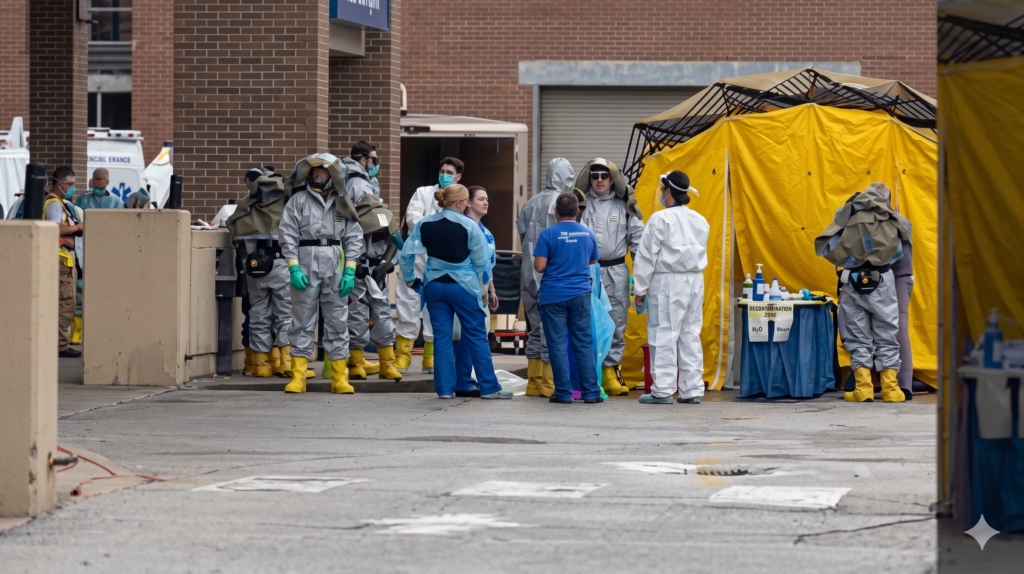
Route 25 remained closed between Cleveland Avenue and New Goff Mountain Road in Institute even after the broader shelter-in-place was lifted, as investigators continued to secure and assess the scene. The South Charleston Fire Department operated a decontamination station along the highway, where affected individuals removed contaminated clothing and were washed down before being taken to medical facilities.
For a community that has long lived in close proximity to heavy industrial operations, this incident is another difficult reminder that such facilities carry real and sometimes lethal risks. The Kanawha Valley has historically been home to numerous chemical plants, and local residents have an understandably complicated relationship with the industries that provide jobs while also posing environmental and safety hazards.
The Investigation: What Authorities Are Trying to Determine
Multiple agencies have mobilised to investigate the Catalyst Refiners incident, and the inquiry is expected to be both detailed and prolonged. Confirmed participants include:
• West Virginia Department of Environmental Protection (DEP)
• West Virginia Department of Health
• West Virginia Department of Homeland Security’s Emergency Management Division
• Federal agencies (names not yet publicly confirmed, though federal involvement was confirmed by Governor Morrisey)
• Kanawha County Emergency Management
• Nitro Police Department and local emergency services
The central question investigators will pursue is whether the mixing of nitric acid and M2000A during the decommissioning process was consistent with established safety protocols — or whether it represented a dangerous deviation. Emergency Manager Sigman noted that plant managers described the procedure as “not uncommon,” but acknowledged that something was clearly different on this occasion. Pinpointing exactly what changed is now the investigation’s primary focus.
The West Virginia Gazette-Mail reported that the South Charleston Fire Department managed the decontamination operations on-site, with affected workers undergoing a wash-down procedure before hospital transport.
What This Incident Reveals About Industrial Safety in West Virginia
West Virginia has a long and layered history with heavy industry. The Kanawha Valley — long referred to informally as “Chemical Valley” — is home to dozens of manufacturing and chemical processing facilities that collectively employ thousands of residents. The economic contribution of these industries is substantial. The risks, however, are equally real.
This disaster is the latest in a series of industrial incidents that have forced difficult conversations about the safety of communities living adjacent to ageing facilities. The 2014 Elk River chemical spill, which left approximately 300,000 residents without safe drinking water, remains the most prominent recent example. While the two events differ in nature and scope, they share a common thread: the vulnerability of communities when industrial safeguards fail.
What makes this particular incident especially sobering is that it occurred during a planned, controlled shutdown — the kind of operation that is by definition supposed to be managed and predictable. The fact that a routine decommissioning resulted in two deaths raises serious questions:
• Were the decommissioning crew members adequately trained in the hazards of the specific chemicals involved?
• Was a formal risk assessment conducted before nitric acid and M2000A were combined during the cleanup process?
• Are federal OSHA inspection and oversight standards for shutdown procedures sufficient to prevent such events?
Industrial safety advocates have already begun calling for a comprehensive national review of decommissioning protocols at chemical plants, arguing that the shutdown phase of a facility’s lifecycle deserves far more regulatory attention than it currently receives.
FAQ:
Q.1. Where exactly did the West Virginia chemical leak occur?
Ans: The incident took place at the Catalyst Refiners plant, located in the area between Nitro and Institute in Kanawha County, West Virginia, roughly 10 miles west of Charleston. The facility is owned and operated by Ames Goldsmith Corporation, which is headquartered in South Glens Falls, New York.
Q.2. What chemical caused the deaths at the West Virginia plant?
Ans: The two fatalities are attributed to exposure to hydrogen sulfide gas, which was generated when nitric acid and a compound called M2000A were inadvertently combined during the decommissioning of a storage tank. Hydrogen sulfide is acutely toxic and can cause rapid loss of consciousness and death at elevated concentrations.
Q.3. How many people were injured in the Catalyst Refiners incident?
Ans: More than 30 people were evaluated or transported to area hospitals. This total includes plant workers, seven emergency medical first responders who were exposed while responding to the scene, and some members of the surrounding community. As of the evening of April 22, 2026, one person remained in serious condition.
Q.4. Is the area around the plant safe now?
Ans: As of the evening of April 22, 2026, Governor Morrisey confirmed that all shelter-in-place orders had been lifted. Certain sections of Route 25 near the plant remained closed while investigators secured the scene. Residents were advised to exercise caution in the immediate vicinity, and the investigation was described as ongoing.
Q.5. Who owns Catalyst Refiners in West Virginia?
Ans: Catalyst Refiners is owned by Ames Goldsmith Corporation, a precious metals and silver catalyst processing company based in South Glens Falls, New York. Company President Frank Barber issued a public statement offering condolences to the victims’ families and confirming the company’s full cooperation with investigative authorities.
Accountability and the Human Cost of Industrial Risk
The deaths at the Catalyst Refiners plant on April 22, 2026 are a stark and painful reminder that industrial workplaces can harbour lethal dangers — even on the day they are scheduled to cease operations permanently. Two workers reported for duty that morning expecting a controlled shutdown. They did not return home.
As state and federal investigators work methodically to establish how nitric acid and M2000A combined to produce a lethal concentration of hydrogen sulfide, the Kanawha Valley community — and the broader public — deserves clear answers and meaningful accountability. Industrial incidents of this nature are not inevitable. In most cases, they are preventable.
If you live near an industrial facility, it is worth familiarising yourself with your local emergency notification systems. Residents in Kanawha County can sign up for alerts through Kanawha County Metro 911. In a chemical emergency, knowing whether to shelter in place or evacuate — and when each order has been lifted — can make a decisive difference.
For More Information
Related Article
Trump Urges Iran to Halt Execution of 8 Women Protesters in Truth Social Post
Mets Losing Streak 2026 Reaches 12 Games — Full Breakdown, Stats, and What Happens Next
Mike Vrabel Dianna Russini Photo Scandal: NFL Rules No Discipline as Russini Resigns
2 thoughts on “West Virginia Chemical Leak 2026: Two Workers Killed, Dozens Hospitalized After Catalyst Refiners Plant Disaster”