
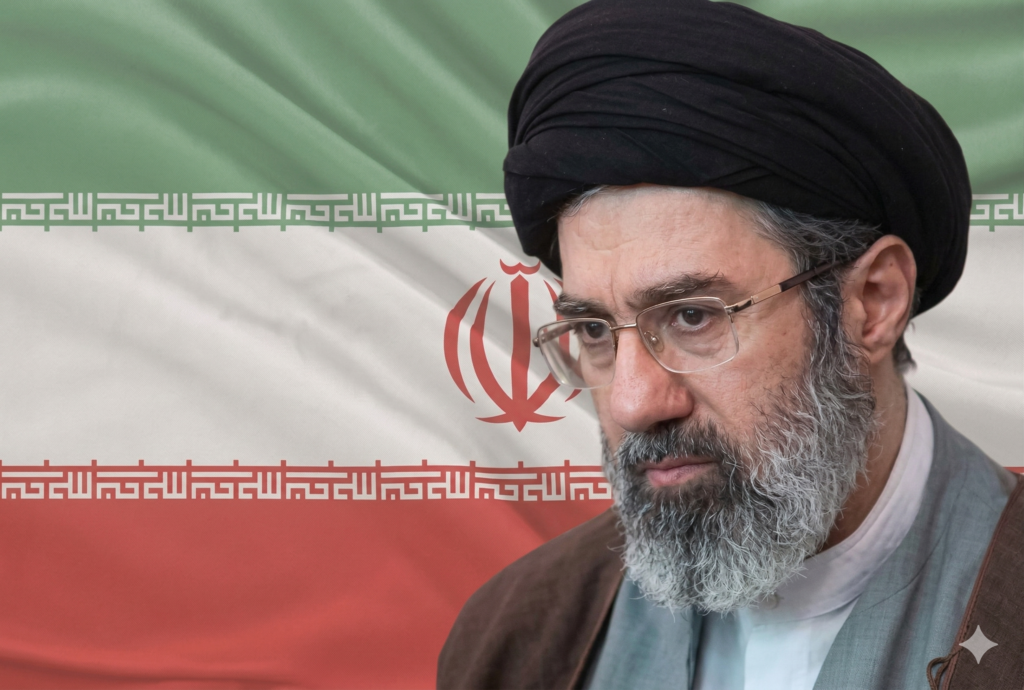
The clearest and most disturbing account of Khamenei’s physical state came from a Reuters investigation published on April 11, 2026. Three sources described as being close to his inner circle spoke to the outlet, all insisting on anonymity because of the obvious sensitivity involved.
Their accounts were consistent and stark. Khamenei’s face was reportedly disfigured during the airstrike on the Supreme Leader’s compound in central Tehran. He also sustained a serious injury to one or both legs, the sources said. Despite those devastating wounds, all three contacts agreed that he is slowly recovering and that his mind remains clear and fully functional.
Two of those same sources added something significant: Khamenei has not stepped away from governing. He is reportedly joining meetings with senior Iranian officials through audio conferencing and is said to be involved in major policy calls — including decisions tied to the ongoing war and the peace negotiations currently unfolding between Iran and the United States in Pakistan.
It’s a strange image to sit with — a disfigured, physically broken leader running a country by phone from a recovery room. But that, according to people close to him, is the reality right now.
Going Back to the Beginning: The February 28 Airstrike
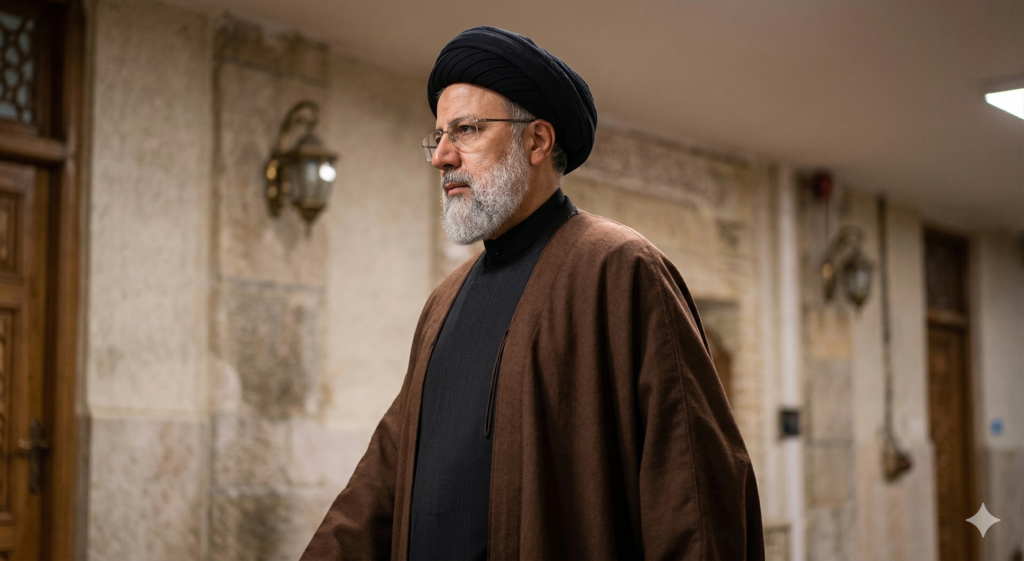
None of this makes sense without understanding what happened on February 28, 2026 — the day that set everything in motion.
On that morning, Israeli airstrikes struck the Supreme Leader’s compound in central Tehran as part of a coordinated joint military operation with the United States. The attack killed former Supreme Leader Ali Khamenei, his wife, and several other family members. It was a defining moment — the violent end of a decades-long era of Iranian rule under one of the most powerful religious figures in modern history.
Mojtaba Khamenei was inside the compound when the strikes hit. Iran’s ambassador to Cyprus, Alireza Salarian, later confirmed to the Guardian that Mojtaba had been wounded in the same attack that claimed his father’s life. The initial statements from Iranian officials were dismissive of the severity — they described minor cuts on his face and a fractured foot, injuries serious enough to acknowledge but easy enough to frame as manageable.
What has emerged since then tells a very different story. The Reuters account from April 11 describes disfiguring damage to his face and significant trauma to his legs — wounds that are orders of magnitude more serious than what the Iranian government chose to share with the world in those early days.
Iran’s Leadership Crisis: The Question of Who Is Actually Governing
Appointed Supreme Leader — Then Gone
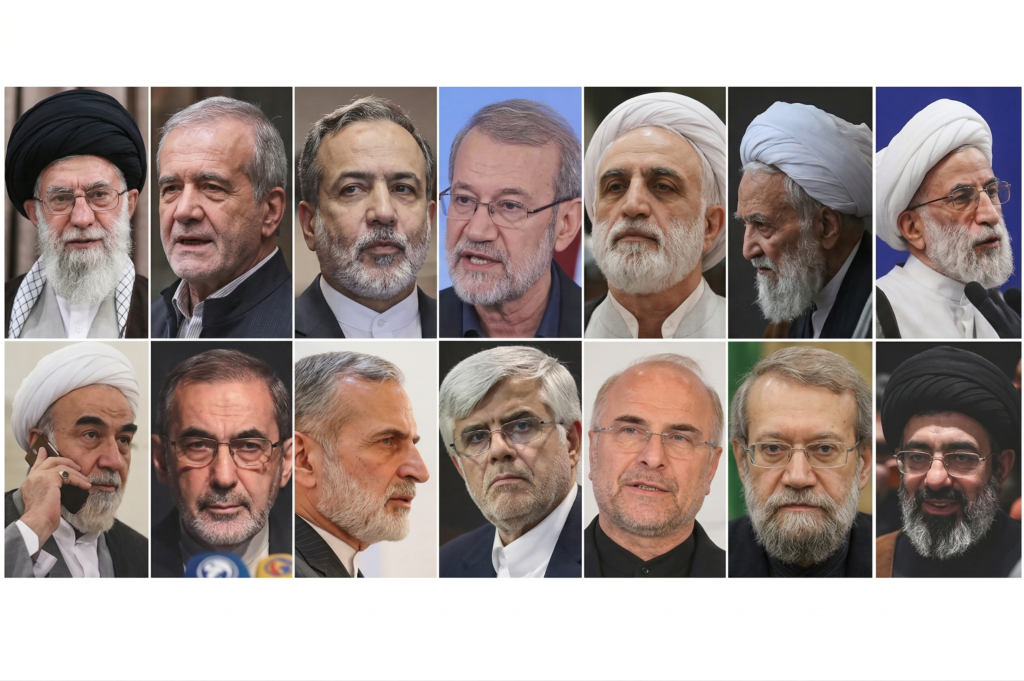
Mojtaba Khamenei, now 56 years old, was formally chosen to succeed his father as Supreme Leader in early March 2026. The selection itself stirred controversy from the start. Political analysts were quick to point out that placing a son in the position his father had held amounted to a restoration of hereditary rule — something that Iran’s founding revolutionary ideology had specifically moved away from after 1979.
That controversy barely had time to settle before a new and more unsettling one took over. Almost immediately after his appointment was announced, Khamenei ceased to exist publicly. No verified footage. No photographs. No direct audio address. Statements attributed to him have been read aloud by other officials on state television — a format that tells you everything and nothing at the same time.
BBC Verify’s senior journalist Shayan Sardarizadeh went a step further, reporting that images circulated by the Iranian government — images claimed to depict Khamenei following his appointment — had been doctored using artificial intelligence. In other words, even the photographic evidence offered by Tehran could not be trusted.
Has the IRGC Stepped into the Void?
With Khamenei out of sight and his true condition uncertain, a pressing question has moved from the fringes of analysis to the center of it: who is actually making decisions in Iran?
Several outlets have reported that the Islamic Revolutionary Guard Corps — the IRGC — may have assumed de facto control of the country’s day-to-day affairs in Khamenei’s absence. An earlier investigation by The Times of London, drawing on a diplomatic memo reportedly based on American and Israeli intelligence shared with Gulf allies, painted a bleak picture. It described Khamenei as “incapacitated and receiving medical treatment” in the city of Qom, about 85 miles south of Tehran, and characterized his condition as “severe,” with the memo concluding he was “unable to be involved in any decision making.”
The newer Reuters account is somewhat less alarming on this specific point — suggesting he is, at minimum, listening and weighing in through audio calls. But the two versions of events do not fully align, and that gap is exactly the kind of uncertainty that destabilizes an already fragile political situation.
The Meaning Behind the Public Silence
A Meme That Became a Political Statement
In Iran, the prolonged disappearance of the Supreme Leader has taken on a life of its own. The viral meme — an empty chair, a spotlight, and the words “Where is Mojtaba?” — is not just dark humor. It reflects genuine public unease and a deep-rooted distrust of official narratives. For many Iranians, the refusal to produce even a brief video message from their new leader confirms what they already suspected: the government is managing a situation it cannot fully control.
What the Government Says
Supporters of the Iranian government have pushed back on the idea that Khamenei’s absence is a red flag. A senior figure within the Basij militia, the paramilitary force that operates under the Revolutionary Guards, told Reuters that keeping Khamenei out of public view is simply smart security. Waves of U.S. and Israeli airstrikes have already eliminated a significant portion of Iran’s senior leadership, and making the Supreme Leader visible — and therefore locatable — would be reckless, according to this argument.
A lower-ranking Basij member offered a more blunt version of the same logic. “Why should he appear in public?” he reportedly said.
Diplomacy in the Dark: The Iran-US Peace Talks
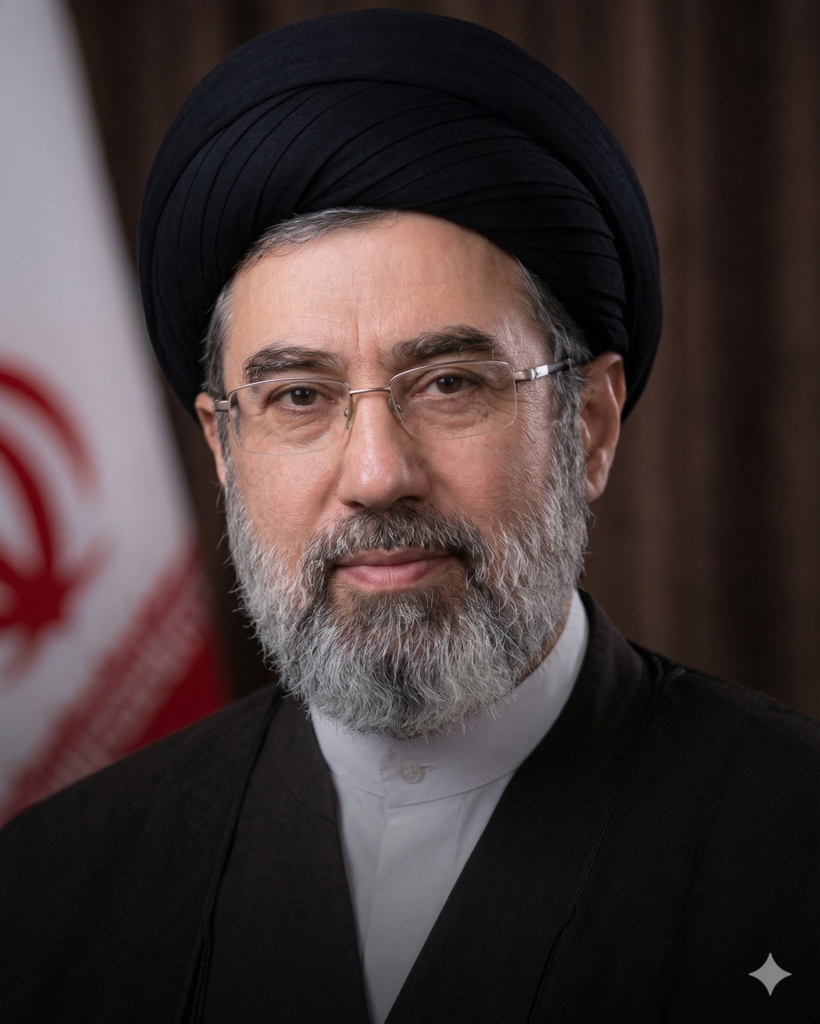
Amid all of this uncertainty, Iran and the United States are actively engaged in peace negotiations — talks taking place in Pakistan that carry enormous consequences for regional stability and for the broader trajectory of the conflict.
Reuters’ sources claim that Khamenei is actively participating in decisions connected to these talks, albeit through audio channels. If that’s true, it means that a man recovering from disfiguring injuries, who hasn’t been seen in public in over a month, is still influencing the outcome of diplomatic conversations that could affect millions of lives.
What is known is that the negotiations are being conducted against a backdrop of hardline rhetoric from Tehran. In mid-March, a senior Iranian official stated that Khamenei had rejected de-escalation overtures passed through intermediaries, with demands that the U.S. and Israel be “brought to their knees.” Whether those positions reflect Khamenei’s actual current judgment or the IRGC’s preferred stance — or whether the two are even distinguishable at this point — remains an open question.
Confirmed Facts vs. Unresolved Questions
Given the volume of conflicting reporting, it helps to separate what the evidence actually supports from what is still genuinely unknown.
Points that multiple credible outlets have independently confirmed: Khamenei was injured in the February 28 airstrike. He has made no verified public appearance since his appointment as Supreme Leader. Iranian state media has described him using the term “janbaz,” meaning wounded in battle. He is understood to be located in Qom. No authenticated photographs or recordings of him have been released.
Points that remain disputed or unverified: How extensive his injuries truly are, with reported accounts ranging from a fractured foot and facial bruising to full disfigurement and severe leg trauma. Whether he is meaningfully involved in governing the country or whether decision-making authority has effectively transferred to the IRGC.
FAQ:
What injuries has Mojtaba Khamenei reportedly sustained? Based on the Reuters report from April 11, 2026, he suffered disfiguring wounds to his face and serious trauma to one or both legs during the February 28 airstrike in Tehran. CNN reported earlier that his injuries included a fractured foot and minor lacerations — the gap between these accounts suggests either his condition worsened over time or that early Iranian government briefings significantly understated the truth.
Why has Mojtaba Khamenei not appeared in public? No confirmed public appearance has been made since he was appointed Supreme Leader. Loyalists within the Iranian government frame the absence as a calculated security decision given ongoing military strikes. Critics, and much of the international press, believe the severity of his physical condition makes any public appearance currently impossible.
Is Mojtaba Khamenei still in control of Iran? It depends on which account you trust. Reuters’ sources indicate he is participating in high-level meetings and key decisions via audio. The Times’ earlier reporting, drawing on a Western intelligence memo, suggested he was completely unable to participate in governance — with the IRGC filling the void. The truth may lie somewhere between the two.
Who is Mojtaba Khamenei and why does he matter? He is the 56-year-old son of the late Supreme Leader Ali Khamenei and was formally installed as Iran’s new Supreme Leader in early March 2026. He is regarded as a hardliner who reportedly took an active role in the brutal crackdown on the January uprising in Iran, during which thousands of protesters were killed by regime forces.
Can the photographs of Mojtaba Khamenei released by Iran be trusted? No. BBC Verify’s senior journalist publicly concluded that government-released images purportedly showing Khamenei after his appointment had been artificially generated or manipulated. No independently verified imagery of him has been confirmed since the February 28 airstrike.
One Man’s Recovery, One Nation’s Uncertainty
The Mojtaba Khamenei severe injuries report drops into a moment when Iran can least afford ambiguity. The country is fighting an active war, its chain of command has been shattered by a series of targeted strikes, and its new supreme leader — reportedly disfigured, possibly immobile, and completely invisible to the public — appears to be running state affairs through an audio line from somewhere in Qom.
The questions piling up are not small ones. How badly is he actually hurt? Is he genuinely directing policy, or is he being used as a figurehead while the IRGC does the real governing? Will Iran’s peace talks with the United States hold together long enough to produce results — and if so, whose vision of those results is actually driving the process?
For More Information
Related Article
Susan Sarandon Makes Surprise Coachella 2026 Appearance Months After Hollywood Blacklist Claims
Eric Swalwell Sexual Misconduct Allegations Rock California Governor’s Race — Campaign in Freefall
US Military Draft 2026: Automatic Registration Law Signed — Who Must Register
Toluca Beats LA Galaxy 3-2 in 2026 Concacaf Champions Cup Quarterfinal First Leg
3 thoughts on “Reuters Report: Iran’s New Supreme Leader Mojtaba Khamenei Disfigured and Hidden from Public After Airstrike”