
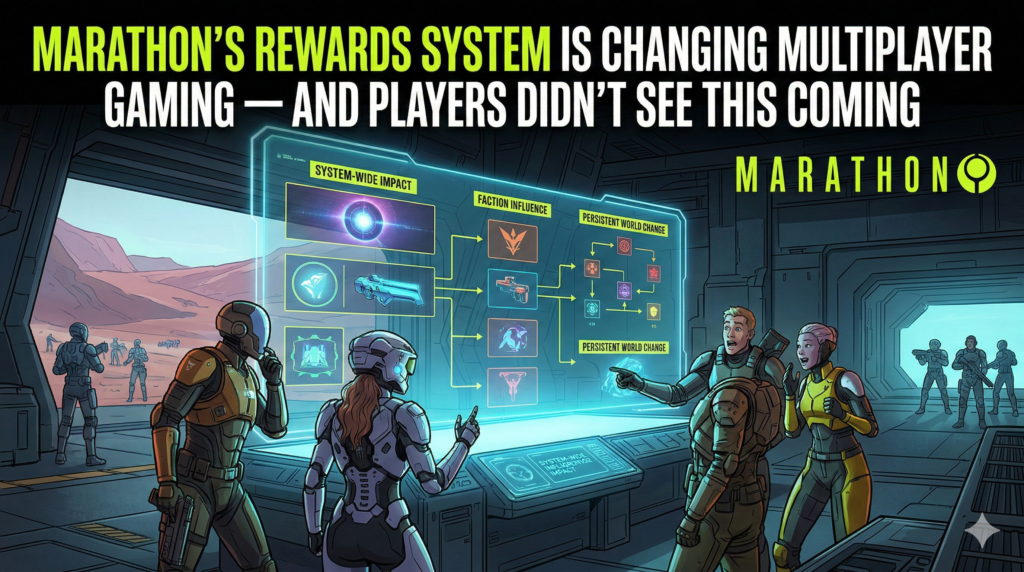
The modern multiplayer game isn’t just about winning anymore — it’s about what players earn along the way. And with the launch buildup for Marathon, Bungie is betting big on a rewards system designed to keep players invested long after their first match ends.
From Twitch Drops to progression unlocks and event-exclusive cosmetics, the Marathon rewards program is quickly becoming one of the most talked-about parts of the upcoming sci-fi extraction shooter. For many players, the real question isn’t just how the game plays — it’s whether the rewards feel meaningful enough to keep coming back.
Here’s everything you need to know about how the system works, why it matters, and what it signals about the future of live-service games.
What Is the Marathon Rewards Program?

At its core, Marathon’s rewards program is a layered progression system tied to gameplay, community participation, and limited-time events.
Unlike traditional shooters where rewards mainly come from leveling up, Marathon blends multiple earning paths:
- In-game progression rewards
- Event participation bonuses
- Twitch viewing incentives
- Cosmetic unlocks tied to milestones
- Long-term seasonal progression
The goal, according to developer Bungie, is to reward both skill and engagement — whether players are actively competing or simply participating in the broader community around the game.
This approach reflects a growing trend in multiplayer gaming where time investment matters almost as much as performance.
The Server Slam Rewards: A Preview of What’s Coming
The recently launched Server Slam playtest introduced players to the first version of Marathon’s reward ecosystem.
During the limited event, players could earn exclusive cosmetics through Twitch Drops simply by watching participating streams. These included profile emblems, backgrounds, weapon stickers, and a special weapon skin.
While cosmetic rewards may seem minor, they serve a deeper purpose: early identity building.
Players entering the full release with event-exclusive items instantly signal they were part of the game’s earliest moments — a powerful psychological motivator that many live-service titles now rely on.
Industry analysts often describe these early rewards as “digital badges of loyalty.”
Why Rewards Matter More in Extraction Shooters
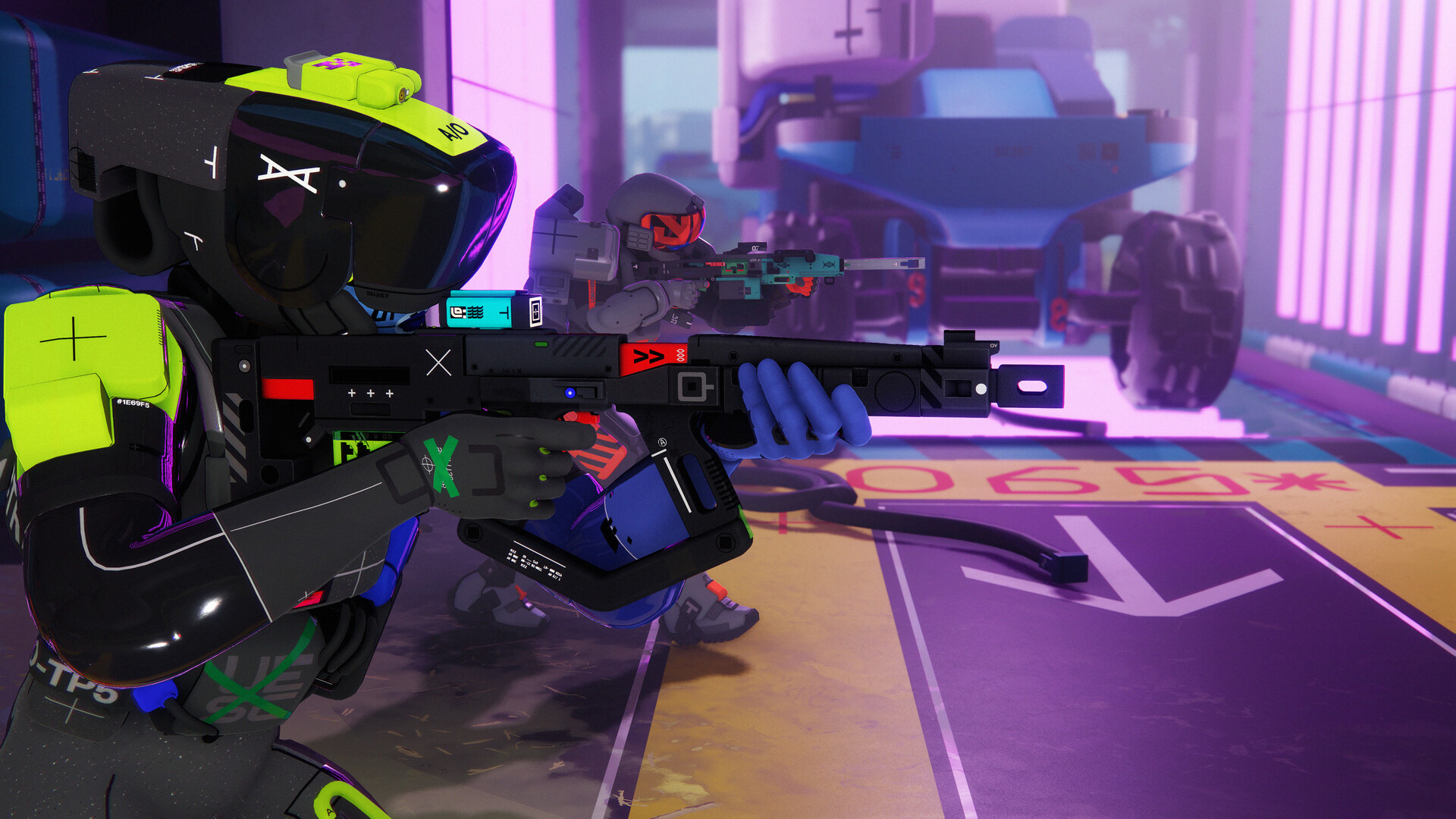
Marathon belongs to the extraction shooter genre, where players enter matches to collect valuable loot and must escape alive to keep it.
That high-risk structure makes rewards especially important.
Unlike traditional multiplayer games, losing a match can mean losing everything you carried. Without meaningful progression systems outside individual matches, players might feel punished rather than motivated.
The Marathon rewards program attempts to balance that tension by ensuring progress continues even after failure.
Players may lose gear during gameplay, but they still advance through:
- Account progression
- Cosmetic unlock tracks
- Event participation milestones
This design softens frustration while maintaining the genre’s trademark tension.
Developer Insight: Rewarding Learning, Not Just Winning
Game director Joe Ziegler has emphasized that Marathon is designed as a learning experience as much as a competitive one.
According to developer commentary shared ahead of the Server Slam, rewards are meant to encourage experimentation rather than purely aggressive playstyles.
That philosophy shows up in how progression works:
- Completing contracts grants steady advancement.
- Exploration and survival contribute to progression.
- Team coordination often earns more value than solo combat success.
In other words, the system nudges players toward smart decision-making instead of constant firefights.
This shift reflects lessons learned across the industry, where overly competitive reward structures sometimes drive burnout instead of engagement.
Twitch Drops and Community Participation
One of the most visible parts of Marathon’s rewards program is its integration with Twitch.
Players earn rewards simply by watching Marathon streams with Drops enabled, provided their gaming accounts are linked. While this might sound like marketing, it also builds a shared launch experience.
When thousands of players watch streams simultaneously, the game’s visibility increases — but so does player education.
New players learn strategies, map routes, and survival tactics before even loading into a match.
For Bungie, this creates a feedback loop:
- Viewers become players.
- Players become streamers.
- Streamers attract new viewers.
The reward system becomes both a progression mechanic and a community-building tool.
Cosmetic Rewards vs Pay-to-Win Concerns
One major concern in modern multiplayer games is whether rewards affect gameplay balance.
So far, Marathon’s reward structure appears focused primarily on cosmetics rather than gameplay advantages.
Examples include:
- Weapon skins
- Player banners
- Profile customization items
- Visual effects and identity markers
By keeping rewards largely cosmetic, Bungie aims to avoid pay-to-win accusations while still giving players goals to chase.
This model has become increasingly popular after backlash against progression systems that locked power behind purchases or excessive grinding.
For players, cosmetic rewards offer personalization without competitive imbalance.
The Psychology Behind Reward Systems
Game designers often rely on behavioral psychology when creating progression systems, and Marathon is no exception.
Effective reward programs typically follow three principles:
- Short-term goals — quick unlocks that keep players engaged daily.
- Mid-term milestones — event rewards that encourage weekly play.
- Long-term achievements — rare cosmetics tied to dedication.
Marathon’s layered rewards appear built around this structure.
Short viewing sessions earn Twitch items. Regular gameplay advances contracts and progression tracks. Seasonal participation unlocks rare cosmetic identity pieces.
The result is a system designed to create steady motivation rather than sudden bursts of excitement followed by drop-off.
Why This Matters for Players Today
The Marathon rewards program reflects a broader shift happening across the gaming industry.
Players increasingly expect games to respect their time investment. Rewards are no longer optional extras — they are part of the core experience.
For players deciding whether to commit to a new live-service title, progression systems often matter as much as gameplay itself.
A strong reward ecosystem can mean:
- Longer player retention
- More consistent updates
- Stronger community growth
- Greater long-term value for players
If the system succeeds, Marathon could become another example of how live-service games evolve beyond simple multiplayer shooters into ongoing social platforms.
How Marathon Fits Into Bungie’s Live-Service Legacy
Bungie is no stranger to long-term progression systems. The studio previously built years of seasonal engagement models in Destiny-style games, where rewards and storytelling unfolded over time.
Marathon appears to apply those lessons to a new genre.
Instead of raids and loot drops alone, rewards now connect gameplay, streaming culture, and seasonal participation into one ecosystem.
The strategy suggests Bungie sees Marathon not as a one-time release but as a multi-year evolving platform.
For players, that means rewards earned today could carry significance months — or even years — into the game’s lifespan.
Challenges the Rewards Program Must Overcome
Despite early excitement, reward systems face common risks.
If progression feels too slow, players lose motivation. If rewards feel meaningless, engagement drops. And if events become overly frequent, players may experience fatigue.
Balancing accessibility and exclusivity will likely determine Marathon’s long-term success.
Developers must ensure rewards feel achievable without becoming trivial — a delicate balance that many live-service games struggle to maintain after launch.
The Bigger Picture: Rewards as the New Gaming Currency
The rise of reward-driven systems signals a fundamental change in how games measure success.
Victory alone is no longer enough. Players want recognition, personalization, and visible proof of their journey.
In Marathon, rewards serve as storytelling tools — each emblem or cosmetic item representing time spent surviving, learning, and evolving within the game world.
That emotional connection often keeps communities alive long after initial hype fades.
Final Takeaway: More Than Cosmetics, It’s a Commitment System
The Marathon rewards program isn’t just about free skins or Twitch bonuses. It’s a carefully designed engagement strategy aimed at turning casual players into long-term participants.
By rewarding watching, learning, experimenting, and surviving — not just winning — Bungie is attempting to lower frustration while maintaining competitive intensity.
If executed well, the system could help Marathon stand out in an increasingly crowded multiplayer market.
For players, the message is simple: every session counts, even the ones where you don’t make it out alive.
And in today’s live-service gaming era, that sense of constant progress may be the most valuable reward of all.
For More Read
Galaxy S26 Ultra Launch Shock: Samsung Introduces Features No One Expected
Nvidia Just Posted Record Earnings — So Why Are Investors Still Unsatisfied?
What Happened Inside Mary Cosby’s Home? Shocking Details Emerge After Son’s Death
2 thoughts on “Marathon’s Rewards System Is Changing Multiplayer Gaming — And Players Didn’t See This Coming”