
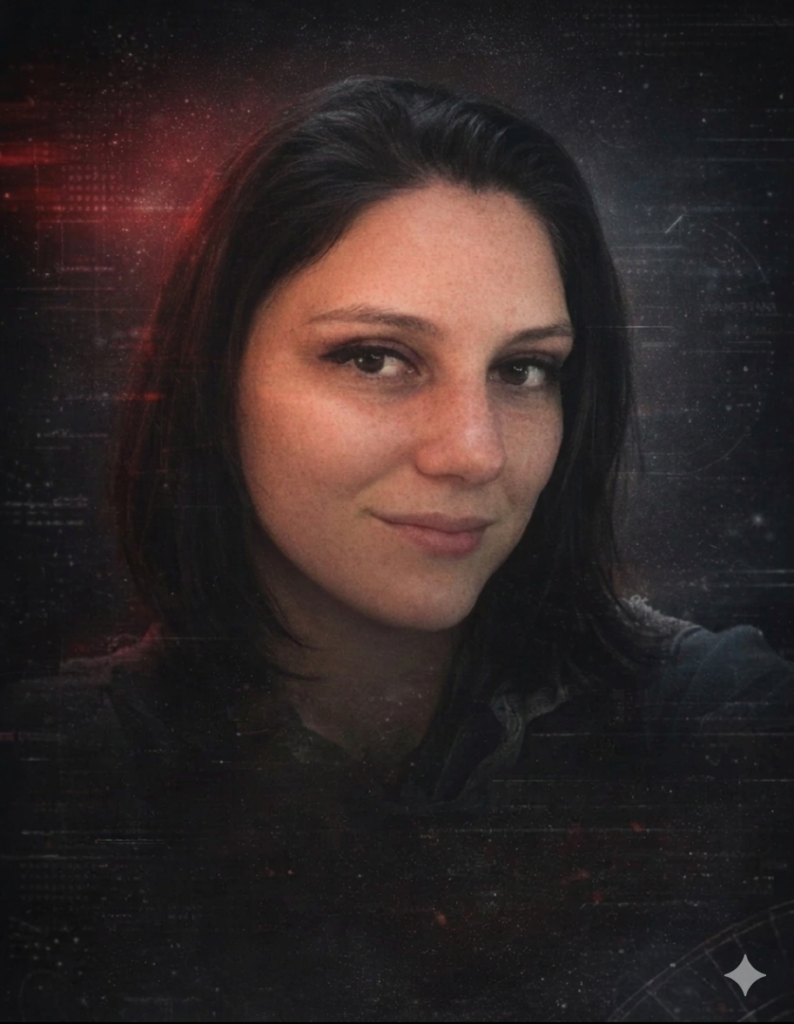
July 4, 2024 — Frank Maiwald: A veteran NASA Jet Propulsion Laboratory researcher passed away in Los Angeles at 61 years old. No cause of death was ever shared with the public, no autopsy was conducted, and NASA chose to say nothing officially about his death.
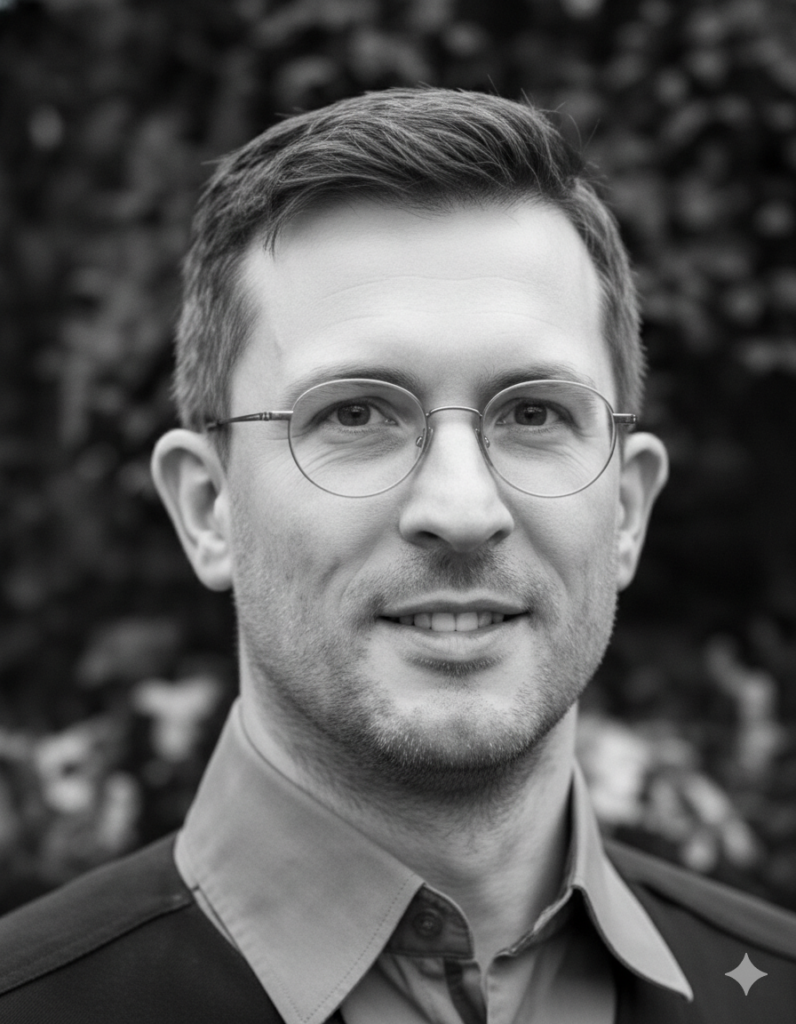
May 4, 2025 — Anthony Chavez: A former employee of Los Alamos National Laboratory disappeared without any clear explanation. As of today, his location is still unknown.
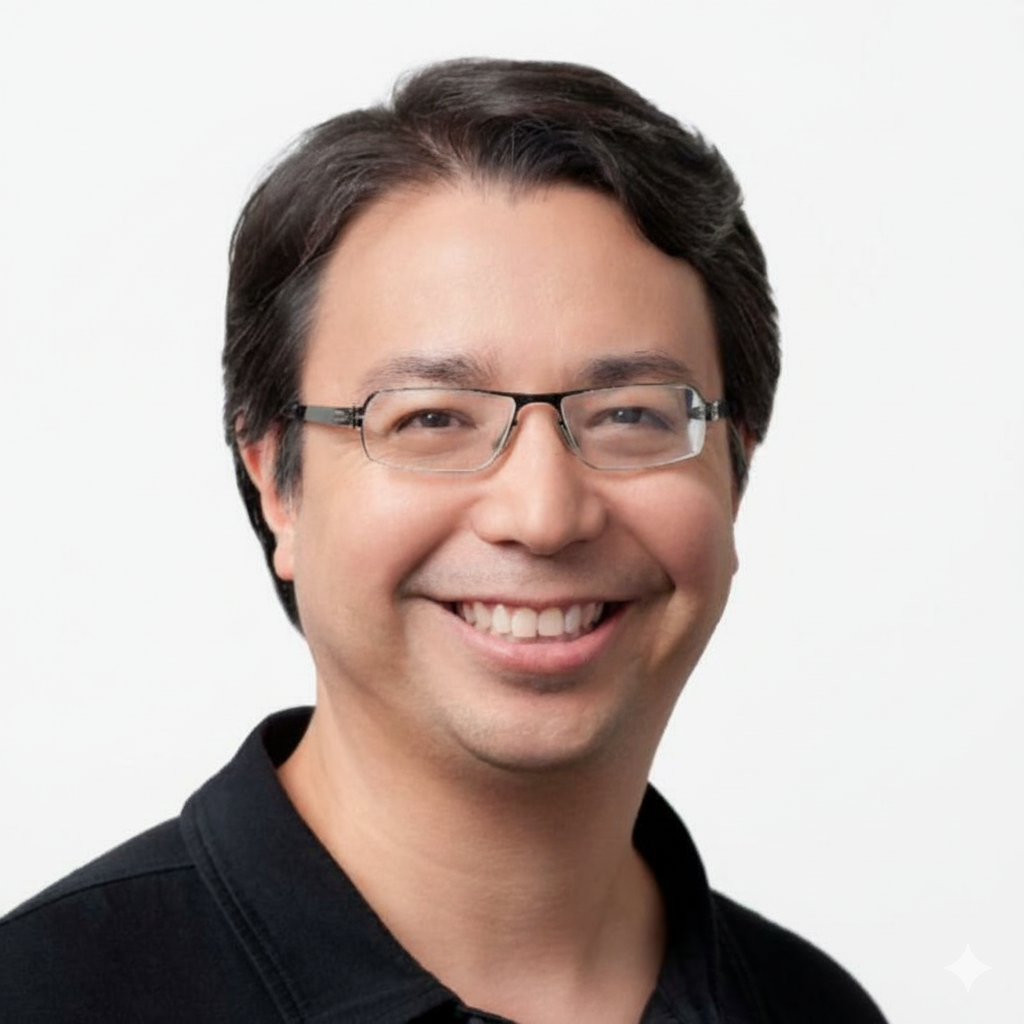
June 22, 2025 — Monica Reza: A NASA scientist who served as Director of Materials Processing at JPL went missing on a hiking trail in the Angeles National Forest. What made her disappearance particularly baffling was that she was reportedly only about 30 feet away from members of her hiking group when she vanished. She has not been found.
June 26, 2025 — Melissa Casias: An administrative worker at Los Alamos National Laboratory disappeared from her home. Her mobile devices were later recovered — wiped completely clean.
December 12, 2025 — Jason Thomas: A cancer-treatment researcher at pharmaceutical company Novartis went missing from his home in Wakefield, Massachusetts late one night. His phone and wallet were left at the house. Several months later, on March 17, 2026, his body surfaced in Lake Quannapowitt after the winter ice melted. Authorities stated there was no evidence of foul play, though they have not publicly revealed an official cause of death
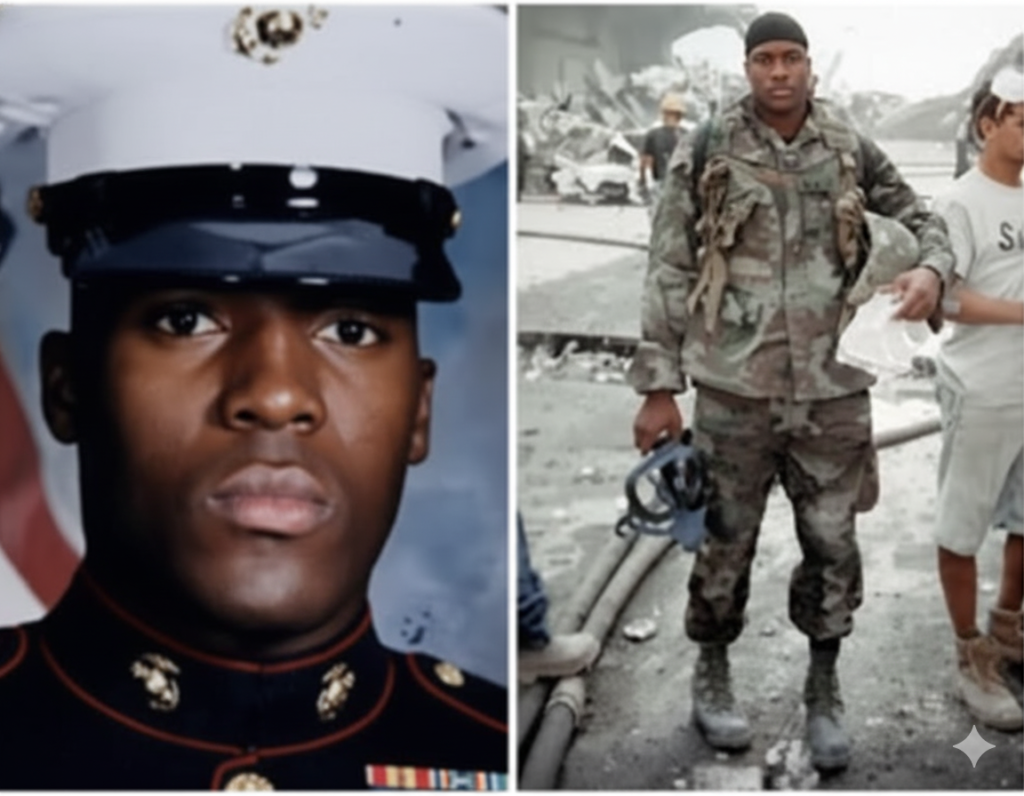
December 15, 2025 — Nuno Loureiro: The head of MIT’s renowned Plasma Science and Fusion Center was shot at his home in Brookline, Massachusetts and later died from his injuries. MIT President Sally Kornbluth publicly shared the tragic news, describing the loss as devastating to the entire university community. A suspect was identified but was later found dead from self-inflicted gunshot wounds.
February 16, 2026 — Carl Grillmair: A Caltech astrophysicist whose career included major contributions to both the Hubble and Spitzer space telescope missions was shot and killed outside his California home early in the morning. Police arrested a 29-year-old suspect who was also charged in separate carjacking and burglary incidents. Investigators noted the suspect had been reported for trespassing on Grillmair’s property weeks before the killing.
February 27, 2026 — William “Neil” McCasland: A retired Air Force Major General with an extensive background in military science, technology, and aerospace programs walked out of his Albuquerque, New Mexico residence at approximately 11 a.m. and never returned. His phone, reading glasses, and wearable devices were all left behind at home, though his wallet and a personal firearm were unaccounted for. He has not been located.
Eleven cases. Eleven individuals. All connected, in varying degrees, to the most advanced and sensitive areas of American scientific research.
Why Members of Congress Are Speaking Out
If there is one signal that cuts through the noise and tells you this story is worth taking seriously, it is this: elected representatives are not staying quiet. The mysterious deaths of scientists have drawn direct responses from multiple members of Congress — and the language they are using is not measured or diplomatic.
Rep. Eric Burlison Requests FBI Involvement
Missouri Republican Representative Eric Burlison stepped forward as one of the earliest and most forceful voices in Congress on this matter. In late March 2026, he wrote publicly on social media platform X that the disappearance of scientists and military personnel connected to cutting-edge research was “deeply concerning,” adding that he had already reached out to the FBI and intended to keep pushing until the agency responded.
Burlison has drawn particular attention to the McCasland case. He pointed out that a retired general with known ties to classified aerospace work walked out of his own home, left every personal device behind, and was never heard from again. He called that “remarkable” — and he is not wrong. Burlison also previously suggested that McCasland carried substantial knowledge related to UAP programs, though McCasland’s family has disputed that framing.
Rep. Tim Burchett Says the Numbers Don’t Add Up
Tennessee Republican Tim Burchett, who sits on the House Oversight Committee and has been involved in congressional UAP-related oversight work, also stepped into the conversation. He said plainly that the rate of unusual deaths and disappearances among researchers in these specific fields feels too concentrated to write off as coincidence. He urged the public and fellow lawmakers to pay close attention to what is happening.
A Classified Congressional Briefing Adds to the Intrigue
Around the same time these cases were gaining national attention, Congress held a closed-door, classified briefing focused on Unidentified Aerial Phenomena. The overlap in timing raised eyebrows across multiple news outlets. Burlison went on record to clarify that lawmakers have every legal right to receive classified UFO-related information in a secure setting, directly countering claims that congressional members were somehow being kept legally out of the loop.
The UAP Link: Legitimate Concern or Too Much Speculation?
One thread that keeps running through this story — and one of the most controversial — is the suggestion that some of these scientists may have had professional or institutional connections to government UAP research.
The professional overlaps are real, even if the conclusions remain unproven. Monica Reza had worked on a government-funded rocket materials initiative that fell under the oversight of General McCasland. McCasland himself had previously led the Phillips Research Site at the Air Force Research Laboratory, an organization with deep roots in classified defense and aerospace science.
That said, a critical distinction must be made here. Neither the FBI, the White House, nor any state or local law enforcement agency has drawn a confirmed, evidence-backed link between UAP research and any of these deaths or disappearances. No verified connection between the individual cases has been established. McCasland’s own wife has spoken out against the theory that her husband’s disappearance is tied to secret government programs.
What is true, however, is that the pattern of incidents has raised legitimate questions about national security — questions that deserve rigorous investigation, not reflexive dismissal.
Where the White House Stands
By April 2026, the dead scientists mystery had moved all the way to the front of the White House press room. Fox News Senior White House Correspondent Peter Doocy pressed the administration directly, asking whether there was any shared thread connecting the roughly ten scientists who had died or gone missing since mid-2023. That question alone marked a turning point — this story was no longer confined to alternative media or niche congressional circles.
At the time of this writing, the White House has not announced any formal, unified investigation into whether the cases are connected. Officials have, however, acknowledged that the accumulation of incidents is notable and suggested it could merit a closer look.
Former FBI Special Agent Jennifer Coffindaffer, speaking with Newsweek, offered a grounded perspective. She noted that some of the cases — particularly McCasland’s — could ultimately turn out to have deeply personal rather than conspiratorial explanations. At the same time, she acknowledged that investigations of this nature often take considerable time before any definitive conclusions can be reached.
The Bernalillo County Sheriff’s Office, which is leading the McCasland inquiry, confirmed to reporters that nothing had been ruled out while also stating that no evidence of a coordinated plot had surfaced.
What These Cases Reveal About America’s Security Gaps
Even setting aside the question of whether a deliberate threat is behind these incidents, the scientists found dead investigation has already exposed some uncomfortable realities about how the United States handles the safety and oversight of researchers working in classified or sensitive areas.
Think about it: Frank Maiwald died at JPL, and no public cause of death was ever given — not even an autopsy. Melissa Casias’ personal devices were wiped before anyone could look at them. Monica Reza disappeared in broad daylight, surrounded by people, in the middle of a national forest. Each of these details is strange on its own. Together, they suggest that standard safety and accountability measures may not be adequate for people working at the intersection of sensitive research and national security.
Critical Questions That Still Need Answers
- Do any of the 11 individuals share overlapping work history, communication records, or program affiliations?
- Were any of them under external surveillance — from a foreign intelligence service or any other actor — before they disappeared or died?
- Why have official causes of death remained undisclosed in multiple cases, even months after the incidents occurred?
- Did their proximity to classified programs play any role in what happened to them?
These are not fringe questions whispered on conspiracy forums. These are the kinds of questions that Senate oversight committees exist to ask. And based on recent congressional activity, some of them are finally beginning to do so.
How the Scientist Deaths Investigation 2026 Has Captured National Attention
The media arc of this story is itself telling. What started as a collection of scattered local news reports — an unexplained death here, a missing person there — has since grown into a full-scale national conversation covered by Newsweek, the Washington Examiner, Fox News, One America News, and dozens of regional outlets.
The consistent thread running through all credible coverage is a straightforward observation: each case may carry its own explanation, but the sheer number of incidents, the tight timeframe, and the striking professional overlap among those affected make a purely coincidental reading difficult to accept at face value. Something serious enough to warrant a coordinated federal response appears to be at play — even if no one has yet proven exactly what that something is.
One regional outlet, covering events near Los Alamos, pointed out that the clustering of incidents across fields like space exploration, nuclear science, and advanced medicine had intensified public concern about whether American scientific research was facing a coordinated threat.
FAQ:
What exactly is the dead scientists mystery?
The dead scientists mystery is the name given to a growing pattern of deaths and disappearances involving American researchers and military personnel with ties to high-level scientific programs. The individuals connected to this case worked at institutions including NASA’s Jet Propulsion Laboratory, Los Alamos National Laboratory, MIT, and major pharmaceutical firms. At least 11 cases have been documented since mid-2023.
Has any official confirmed that the cases are connected?
No. As of April 2026, no federal, state, or local law enforcement agency has publicly confirmed that the cases share a verified link. Investigations are ongoing at multiple levels, including local, federal, and congressional.
What is Congress doing about the scientists found dead investigation?
Representatives Eric Burlison of Missouri and Tim Burchett of Tennessee have both publicly called for federal investigations. Burlison formally requested FBI involvement and has been vocal in demanding transparency. Congress also held a classified UAP briefing during the same period these cases drew national attention.
Is the connection to UAP research actually credible?
Some of the individuals did have documented professional ties to classified aerospace and advanced research programs. However, no investigator or government official has confirmed that UAP research played any role in their deaths or disappearances. The connection remains an area of speculation and scrutiny, not established fact.
What has the White House done in response to the missing scientists case?
The White House acknowledged the situation after being directly questioned during a press briefing. As of this writing, no formal unified investigation has been announced, though officials have indicated the matter could warrant additional scrutiny.
America Deserves Real Answers
The dead scientists mystery is no longer a story living at the fringes of the internet. It has real victims, real grieving families, and real implications for American national security. Whether or not investigators ultimately find a single thread connecting all 11 cases, the absence of transparency in many of these incidents is itself a problem that demands correction.
The men and women who work at places like NASA, Los Alamos, MIT, and leading pharmaceutical research centers are not interchangeable. They are among the most skilled, most knowledgeable people in the country. In some cases, they carry information that no one else in the world holds. If something — or someone — is targeting them, the American public has a right to know. If these incidents are truly unrelated, then the government owes a clear, evidence-backed explanation to the families involved and the broader public.
For More Information
Related Article
D4vd Arrested: “Romantic Homicide” Singer Held in Teen Girl’s Murder Case
Henry Winkler’s Happy Days Souvenir: The Story Behind Fonzie’s Iconic Jacket
Former Virginia Lt. Gov. Justin Fairfax Dead in Murder-Suicide at Annandale Home
New York Mets Losing Streak 2026: Steve Cohen Responds as Slump Hits Seven Straight Games
2 thoughts on “Missing Scientists Case 2026: Deaths, Disappearances, and the Congressional Warning America Needs to Hear”