
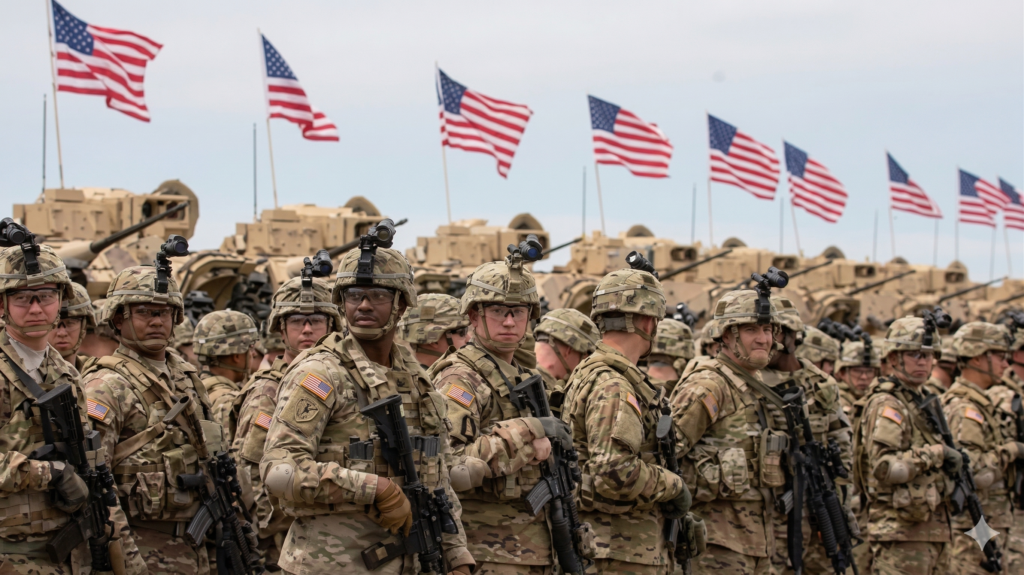
In late December 2025, the president signed the Fiscal Year 2026 National Defense Authorization Act (NDAA) into law. Tucked inside this massive defense spending bill was a significant shift in how draft registration works. Going forward, young men will be automatically enrolled in the Selective Service System—no paperwork, no action required from them.
Before this change, federal law demanded that all male US citizens and immigrants register with the Selective Service within 30 days of turning 18. Skipping this step carried serious consequences: up to $250,000 in fines, five years in prison, loss of federal job eligibility, and—in most states—loss of student financial aid.
Under the new automatic enrollment system, the government pulls information from federal sources, including Social Security Administration records, to register eligible men without their input. The Selective Service System states that this shift “transfers responsibility for registration from individual men to SSS through integration with federal data sources.”
The rollout is scheduled for December 2026. Until then, the old self-registration requirement still stands—and it carries the same legal weight.
Why Did Congress Change the Draft Registration System?
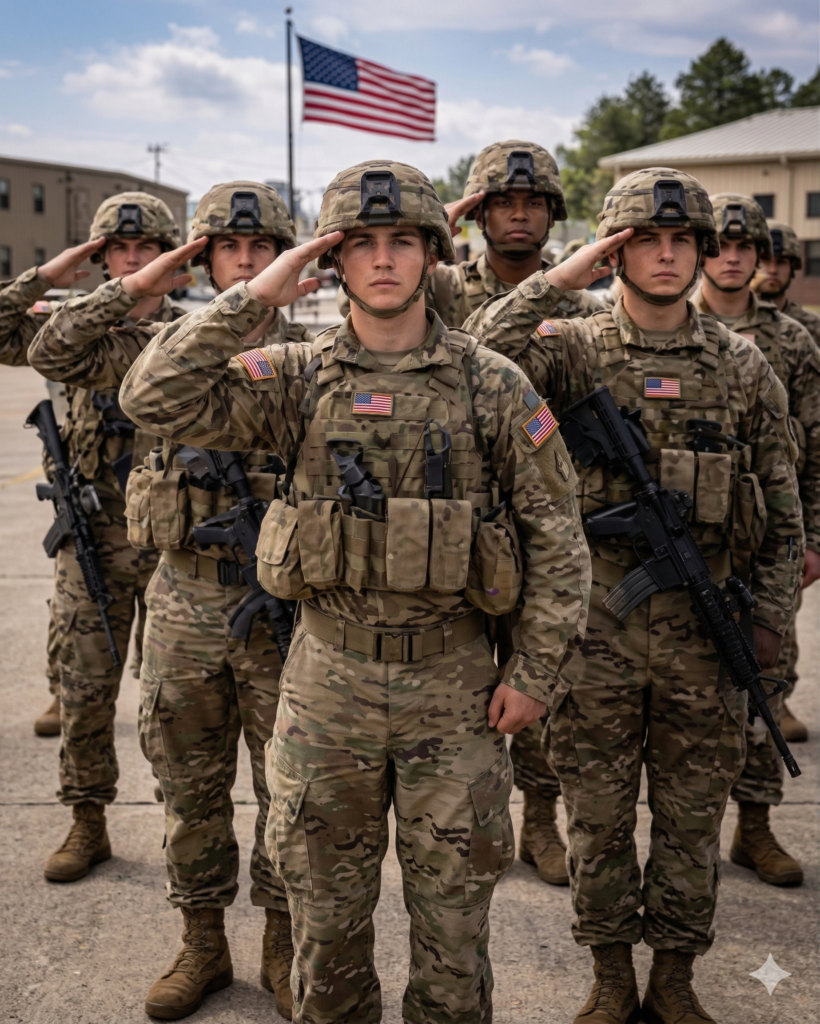
This wasn’t a sudden decision. Lawmakers from both parties had been wrestling with two interconnected issues: poor compliance rates and a growing military recruiting problem.
The recruiting crisis behind the change
The armed forces have struggled to hit enlistment goals in recent years. Young Americans aren’t rushing to join, and the Pentagon has had to get creative to fill its ranks. The automatic registration provision came as part of a broader push to modernize how the military identifies and prepares for potential future personnel needs.
How Does the Automatic Registration Process Actually Work?
Once everything is up and running, eligible men won’t need to do anything. The Selective Service System will compare data from federal databases, find men approaching or entering their 18th year, and add them to the rolls automatically. Officials submitted proposed rules for review in early 2026 and are working through the final approval process before launch.
Will the US Bring Back the Draft in 2026?
This is the question everyone wants answered. With ongoing US military operations in the Middle East, parents everywhere are wondering whether their sons might be next.
Here’s the honest truth: activating a draft would require explicit action from both Congress and the president. No such steps have been taken. The last time the US actually drafted anyone was June 30, 1973—over 50 years ago.
That said, military leadership hasn’t explicitly ruled out conscription either. When questioned, administration officials have given vague responses about being prepared to do “whatever it takes” to achieve objectives—language that understandably leaves many families uneasy.
The numbers tell a different story, though. With more than 1.3 million active-duty service members, plus reserve forces and the National Guard, the military has substantial capacity before conscription would even enter serious discussion.
Who Would Be Drafted in the US in 2026?
If America ever did restart the draft, here’s how things would work under current law:
- Who’s eligible: Male US citizens and immigrants between 18 and 25 years old
- Who gets called first: Men who are 20, or turning 20 during the year of a lottery
- How selection happens: A birthday-based lottery—similar to the Vietnam era—determines who gets called up and in what order
- Women’s role: The Military Selective Service Act currently covers only “male persons,” so women wouldn’t be drafted under existing rules
- Conscientious objectors: People with genuine religious or moral objections to war can seek conscientious objector status, potentially qualifying for noncombatant or civilian service instead
- Medical professionals: A separate system could call up doctors and nurses during extreme emergencies
There’s been chatter about including women in registration requirements. A congressionally appointed commission recommended this back in 2020, but lawmakers haven’t passed any legislation to make it happen.
Opposition and Privacy Concerns Over Automatic Enrollment
Not everyone’s happy about these changes. Critics from across the political spectrum have raised red flags.
Privacy advocates worry that giving the Selective Service System access to Social Security data sets a dangerous precedent. Some organizations have warned that this kind of data gathering could be misused, particularly against vulnerable groups like immigrants or transgender individuals.
There’s also concern about how this provision made it into law. It never got a full floor debate or public hearings in either chamber—it reportedly slipped through during closed-door negotiations on the final NDAA. Parents and advocacy groups felt shut out of a decision that directly affects their families.
For conscientious objectors, there’s another problem. Under the old self-registration system, someone could choose not to sign up and accept the consequences. With automatic enrollment, that opt-out option disappears entirely.
What Should You Do Right Now?
Whether you’re a young man approaching adulthood, a worried parent, or just someone trying to stay informed, here’s what makes sense given the current situation:
- Register now if you haven’t: Automatic enrollment doesn’t start until December 2026. Until then, self-registration is still the law. Head to sss.gov and get it done.
- Check your status: Even after automatic enrollment begins, it’s smart to verify your registration through the official Selective Service website.
- Understand your options: If you have religious or moral objections to military service, learn about the conscientious objector process now. Don’t wait until you’re facing an actual call.
- Keep up with developments: As of early 2026, the rules for automatic enrollment were still being finalized. Follow updates from the Selective Service System and trusted news sources.
- Make your voice heard: If you’re concerned about privacy implications, contact your elected representatives. They need to know that constituents care about these issues.
Frequently Asked Questions About the US Military Draft 2026
Q1: Is there actually a military draft in 2026?
No. No active draft exists. The recent changes deal only with registration procedures—not the draft itself. Bringing back conscription would require separate legislation from Congress and the president’s signature. That hasn’t happened.
Q2: What does automatic Selective Service registration mean for me?
Starting in late 2026, eligible men between 18 and 25 will be registered automatically through federal data systems—no form required. Until that date, you still need to register yourself within 30 days of turning 18. The penalties for skipping registration are real and serious.
Q3: Could the Iran conflict lead to a US draft?
Current officials say there are no draft plans. The US military’s size and the availability of reserve forces mean conscription would only become a serious consideration if the conflict escalated dramatically beyond its current scope.
Q4: Do women have to register for the draft in 2026?
No. The Military Selective Service Act currently requires only males to register. While there’s been ongoing debate about including women, no legislation to make that change has passed.
Q5: What happens if I don’t register for Selective Service?
Not registering before automatic enrollment kicks in is a federal felony. Consequences include fines up to $250,000, up to five years in prison, and loss of eligibility for federal jobs, federal student aid, and—in most states—state student aid and state government employment.
Change Is Real, But Don’t Panic
The conversation around the US military draft 2026 is legitimate—and it matters. The automatic Selective Service registration included in the NDAA represents the most significant update to America’s draft preparation system in decades. It affects millions of young men and raises real questions about privacy, government overreach, and civil liberties.
That said, it’s important to separate what’s actually happening from what-ifs. No draft has been activated. No new law creates one. The changes are administrative in nature—they move the registration process from individuals to the government system.
For More Information
Related Article
Toluca Beats LA Galaxy 3-2 in 2026 Concacaf Champions Cup Quarterfinal First Leg
Rex Heuermann Pleads Guilty in Gilgo Beach Serial Killer Case
Iran Threatens Ships in Strait of Hormuz Despite Ceasefire Deal
Strait of Hormuz Ceasefire: Trump’s Iran Deal for 2026 Confirmed
2 thoughts on “US Military Draft 2026: Automatic Registration Law Signed — Who Must Register”