


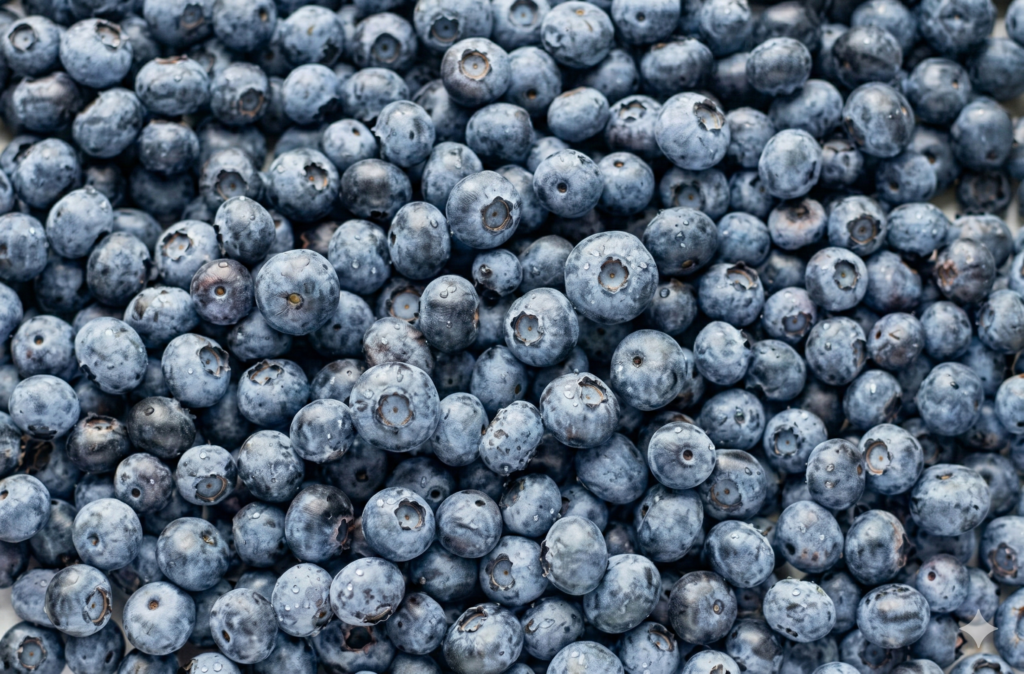
A routine grocery item sitting quietly in freezers across thousands of homes has suddenly become the focus of a serious health warning. Authorities have announced a large-scale recall of frozen blueberries after testing revealed possible contamination with Listeria monocytogenes, a dangerous bacterium linked to severe illness and, in rare cases, death.
The alert has raised concern among consumers because frozen fruit is widely viewed as one of the safest and healthiest food choices. But experts say this incident is a reminder that even nutritious foods can pose risks when contamination occurs somewhere along the supply chain.
Here’s a clear, easy-to-understand breakdown of what happened, who may be affected, and why this recall matters right now.
Why the Frozen Blueberries Were Recalled
The recall began after routine product testing detected potential listeria contamination in batches of frozen blueberries distributed across multiple states. Food safety monitoring systems regularly test products before and after distribution, and when contamination is suspected, companies are required to act quickly.
Health regulators determined that the risk level was serious enough to issue a high-priority recall. This classification indicates there is a reasonable possibility that consuming the product could lead to severe health complications, especially for vulnerable individuals.
Because frozen foods can remain stored for months, officials warn that many consumers may still unknowingly have the affected berries in their freezers.
What Is Listeria and Why Is It Dangerous?
Listeria is a type of bacteria that causes an infection known as listeriosis. While foodborne illnesses are common, listeria infections are particularly concerning because they can become life-threatening under certain conditions.
Unlike many bacteria that struggle to survive in cold environments, listeria can persist in refrigerated and frozen conditions. Freezing slows bacterial growth but does not eliminate it.
Symptoms of listeriosis may include:
- Fever and chills
- Muscle aches and fatigue
- Nausea or digestive discomfort
- Headaches or confusion
- Loss of balance in severe cases
For healthy adults, symptoms may remain mild. However, pregnant individuals, older adults, newborns, and people with weakened immune systems face a higher risk of complications, including hospitalization.
One of the most challenging aspects of listeria infections is that symptoms may appear weeks after exposure, making it difficult to trace the source immediately.
The Role of Federal Food Safety Oversight
The recall is being monitored by the U.S. Food and Drug Administration, which oversees food safety standards and coordinates recalls when public health risks are identified.
Food recalls are categorized by severity. The highest classification is reserved for situations where exposure could lead to serious illness or death. While this does not mean contamination has caused confirmed cases, it signals that precautionary action is necessary.
Officials emphasize that recalls are preventive measures designed to stop potential outbreaks before they begin.
Why Frozen Foods Are Not Completely Risk-Free
Many consumers believe frozen foods are safer because cold temperatures prevent bacteria from growing. While freezing does slow bacterial activity, it does not destroy certain pathogens, including listeria.
This creates a unique risk when frozen fruits are eaten without cooking. Blueberries are commonly used in smoothies, yogurt bowls, desserts, and baked goods where they may not reach temperatures high enough to kill bacteria.
Food safety experts say frozen produce can become contaminated during harvesting, processing, packaging, or transportation. Once contamination occurs, freezing preserves the bacteria until the product is thawed.
How Consumers Can Protect Themselves
Health officials are urging consumers to check their kitchens immediately. Anyone who has recently purchased frozen blueberries should review product labels and recall notices carefully.
Recommended actions include:
- Do not consume berries included in the recall.
- Dispose of affected products securely or return them to retailers if permitted.
- Wash hands thoroughly after handling frozen foods.
- Clean freezer compartments, containers, and surfaces that may have touched the product.
Even small amounts of contamination can spread through contact with other foods or surfaces, which is why cleaning is strongly recommended.
Consumers experiencing symptoms after eating frozen berries should seek medical advice, particularly those in high-risk groups.
Why This Recall Is Getting So Much Attention
Frozen fruit has surged in popularity over the past decade as consumers look for convenient, affordable, and nutritious options. Blueberries, known for their antioxidants and health benefits, are especially common in households focused on healthy eating.
Because frozen products have long shelf lives, recalls involving them often attract widespread attention. Unlike fresh produce that spoils quickly, frozen items may remain untouched in freezers long after purchase.
Food safety analysts say this makes consumer awareness especially important, as recalled items may still be present months later.
Expert Insight: Prevention Over Panic
Food safety experts stress that recalls should not automatically cause alarm. Instead, they reflect systems working as intended.
Routine inspections and testing help detect contamination early, often before any illnesses are reported. Advances in detection technology now allow regulators to identify bacteria at extremely low levels, increasing the number of recalls but improving public protection.
Experts note that most recalls are precautionary measures designed to minimize risk rather than responses to widespread outbreaks.
The key message from specialists is simple: informed consumers are safer consumers.
The Bigger Challenge of Modern Food Supply Chains
Today’s food supply systems are highly interconnected. A single batch of produce can travel through multiple facilities, distributors, and retailers before reaching consumers.
While this system improves availability and affordability, it also means contamination events can affect large geographic areas quickly.
Food safety professionals say rapid recall systems are essential in modern distribution networks. Quick public alerts allow retailers to remove products from shelves and give consumers time to respond before health problems arise.
The frozen blueberry recall highlights how complex global food logistics have become — and why strict monitoring remains necessary.
A Reminder About Safe Food Handling at Home
Beyond the recall itself, experts say the situation offers an opportunity to revisit basic food safety practices.
Simple habits can reduce risk significantly:
- Keep freezer temperatures consistently cold
- Avoid cross-contamination between foods
- Wash utensils and preparation surfaces regularly
- Cook foods thoroughly when possible
While frozen fruits are often eaten raw, heating them during cooking or baking can eliminate many harmful bacteria.
Public health officials emphasize that food safety is a shared responsibility between manufacturers, regulators, and consumers.
Why This Story Matters Today
Food recalls have become more visible in recent years due to faster news reporting and real-time digital alerts. While this may create the impression that food safety risks are increasing, experts say transparency actually reflects stronger monitoring systems.
Consumers today have more access to safety information than ever before, allowing quicker responses to potential hazards.
The frozen blueberry recall serves as a reminder that awareness plays a critical role in preventing illness. Checking labels, staying updated on recalls, and practicing safe food handling can make a significant difference.
Conclusion: Awareness Is the Best Defense
The frozen blueberry recall is a serious but preventable public health concern. While the presence of listeria poses potential risks, the recall process exists precisely to protect consumers before widespread illness occurs.
By checking freezers, following safety guidance, and staying informed, households can greatly reduce the chance of exposure.
In a world where food travels farther and faster than ever before, vigilance remains one of the most powerful tools consumers have. This incident may be unsettling, but it also demonstrates that food safety systems are working — identifying risks early and helping protect families nationwide.
For More Read
What Really Happened During Hillary Clinton’s Deposition? The Full Story Explained
Kelly Clarkson Finally Reveals the Real Reason She Walked Away From Her Talk Show
Marathon’s Rewards System Is Changing Multiplayer Gaming — And Players Didn’t See This Coming
Galaxy S26 Ultra Launch Shock: Samsung Introduces Features No One Expected
For More Information
