


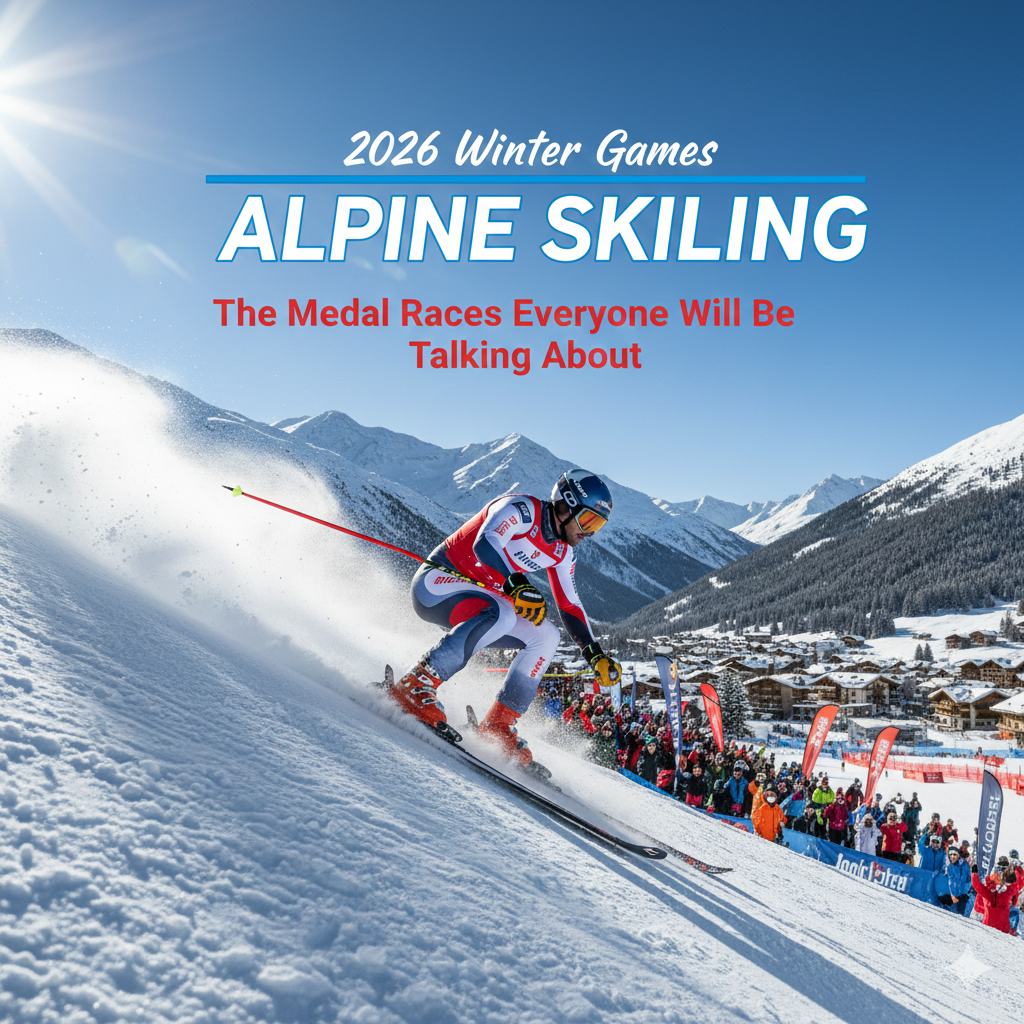
The roar of the crowd, the slicing sound of skis cutting through ice, and races decided by hundredths of a second — alpine skiing is once again preparing to deliver some of the most dramatic moments of the Winter Olympics. As anticipation builds for the 2026 Winter Olympics, fans around the world are already watching closely to see which athletes will stand atop the podium in one of the Games’ most thrilling sports.
While official medal winners will only be decided once competition begins, the storylines, favorites, and rising challengers are already shaping what could become a defining chapter in Olympic alpine skiing history.
Why Alpine Skiing Captures Olympic Attention

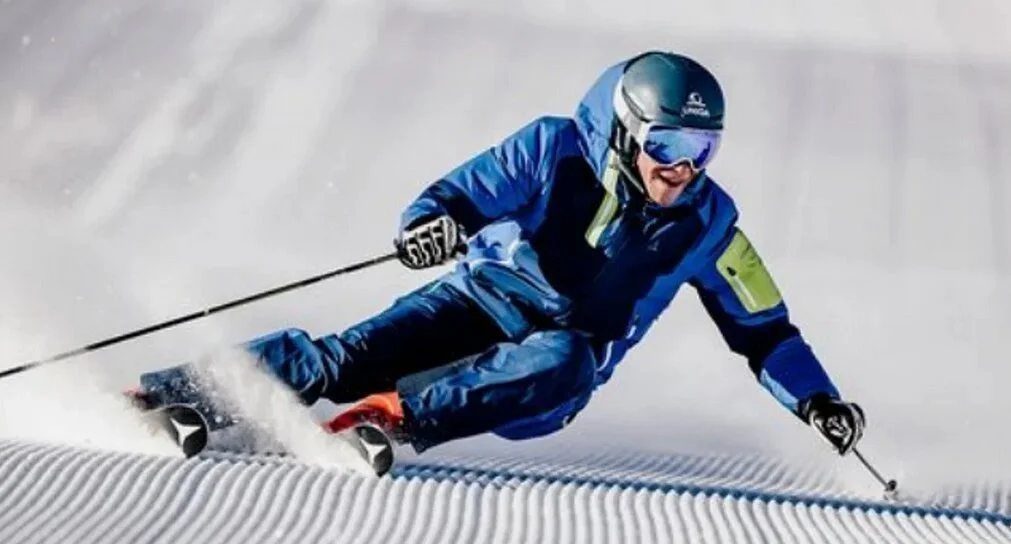
Alpine skiing has long been one of the centerpiece events of the Winter Games. Combining speed, technical precision, and fearless athleticism, the discipline includes multiple events — downhill, super-G, giant slalom, slalom, and alpine combined — each testing a different skill set.
Unlike many sports, Olympic medals in alpine skiing often come down to razor-thin margins. A single mistake, a gust of wind, or a slightly slower turn can separate gold from silver.
That unpredictability is exactly why viewers keep coming back.
Established Champions Eye Another Olympic Moment

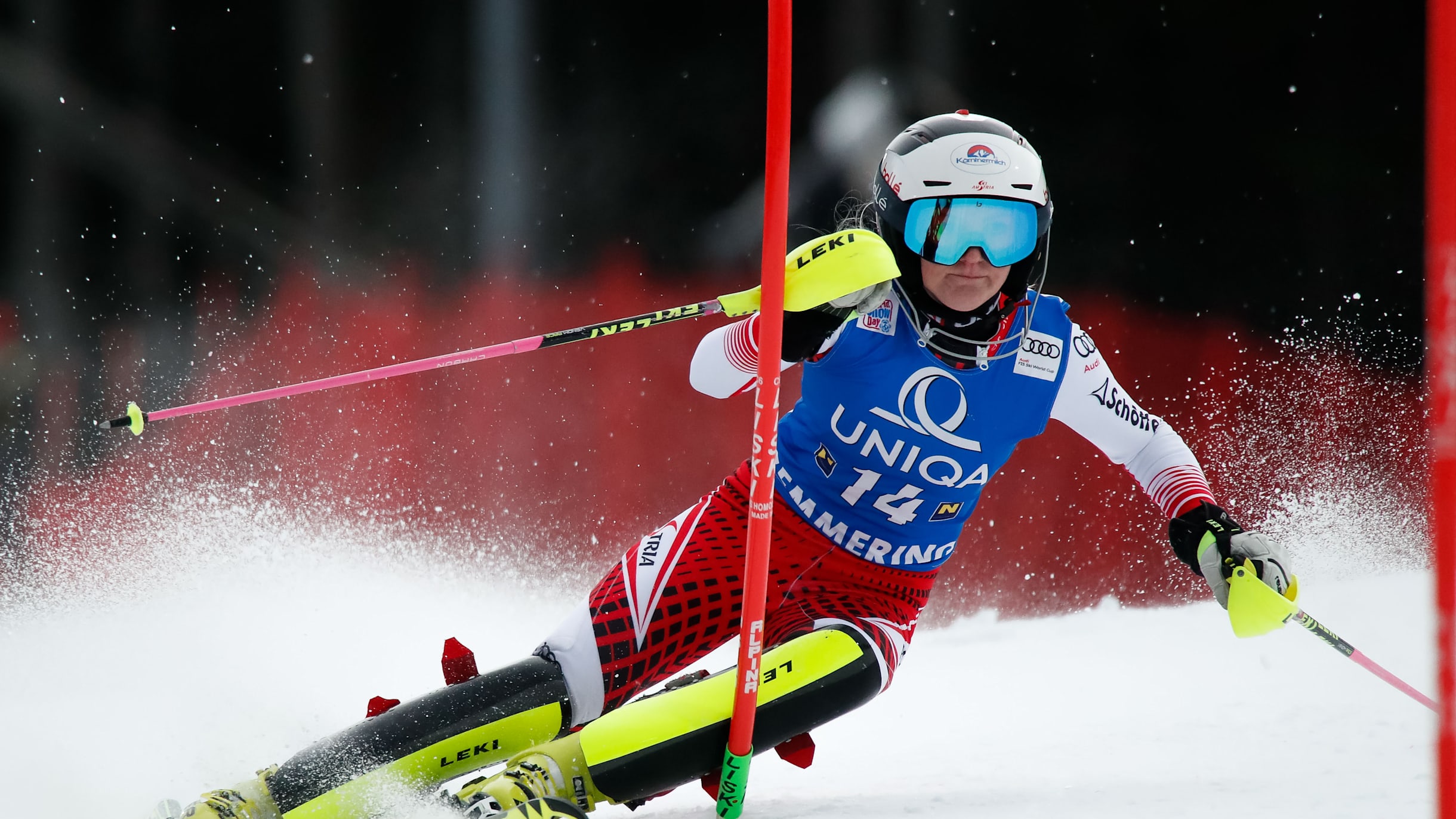
Among the biggest names expected to shape the medal races is American superstar Mikaela Shiffrin, widely regarded as one of the greatest alpine skiers of all time. Known for her technical mastery in slalom and giant slalom, Shiffrin continues to redefine longevity and consistency in a sport where careers are often shortened by injuries.
Experts believe her experience could play a crucial role on Olympic courses that demand both aggression and control. If she performs at her peak, analysts say multiple medal opportunities could be within reach.
On the men’s side, Swiss powerhouse Marco Odermatt enters the Games era as one of the most dominant racers on the World Cup circuit. His versatility across disciplines — especially giant slalom and super-G — has made him a consistent favorite in international competition.
Former Olympic medal contenders like Norway’s Aleksander Aamodt Kilde also remain central figures in the speed events, where downhill races regularly produce some of the Games’ most unforgettable finishes.
Rising Stars Ready to Challenge the Favorites

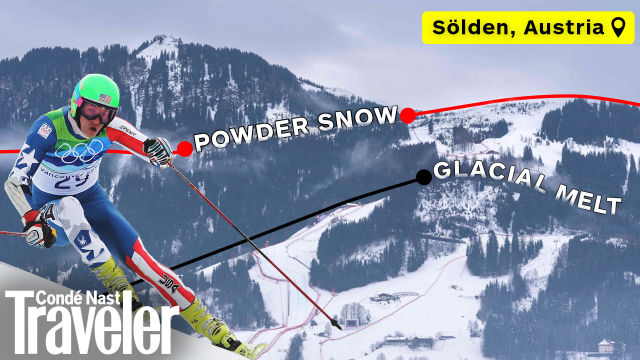
Every Olympics introduces new heroes, and alpine skiing is no exception. Younger athletes from Austria, Switzerland, Italy, and emerging ski nations have been steadily closing the gap on established champions.
Slovakia’s Petra Vlhová, a fierce rival in technical events, represents the intense competition defining the women’s field. Analysts expect tight battles where fractions of a second could determine medal positions.
Coaches and commentators note that modern training methods, improved ski technology, and data-driven performance analysis are helping younger racers compete earlier in their careers. This shift could lead to surprise podium finishes — something Olympic history has shown happens frequently in alpine skiing.
Home Advantage and European Slopes
The 2026 Games, hosted across iconic Italian alpine venues, bring an additional layer of intrigue. European courses often feature challenging terrain, steep vertical drops, and variable snow conditions that reward athletes familiar with similar environments.
Local Italian skiers may benefit from strong crowd support and familiarity with alpine conditions, potentially influencing medal outcomes. Historically, host nations often see performance boosts due to reduced travel stress and increased national momentum.
How the Sport Has Evolved Since the Last Olympics

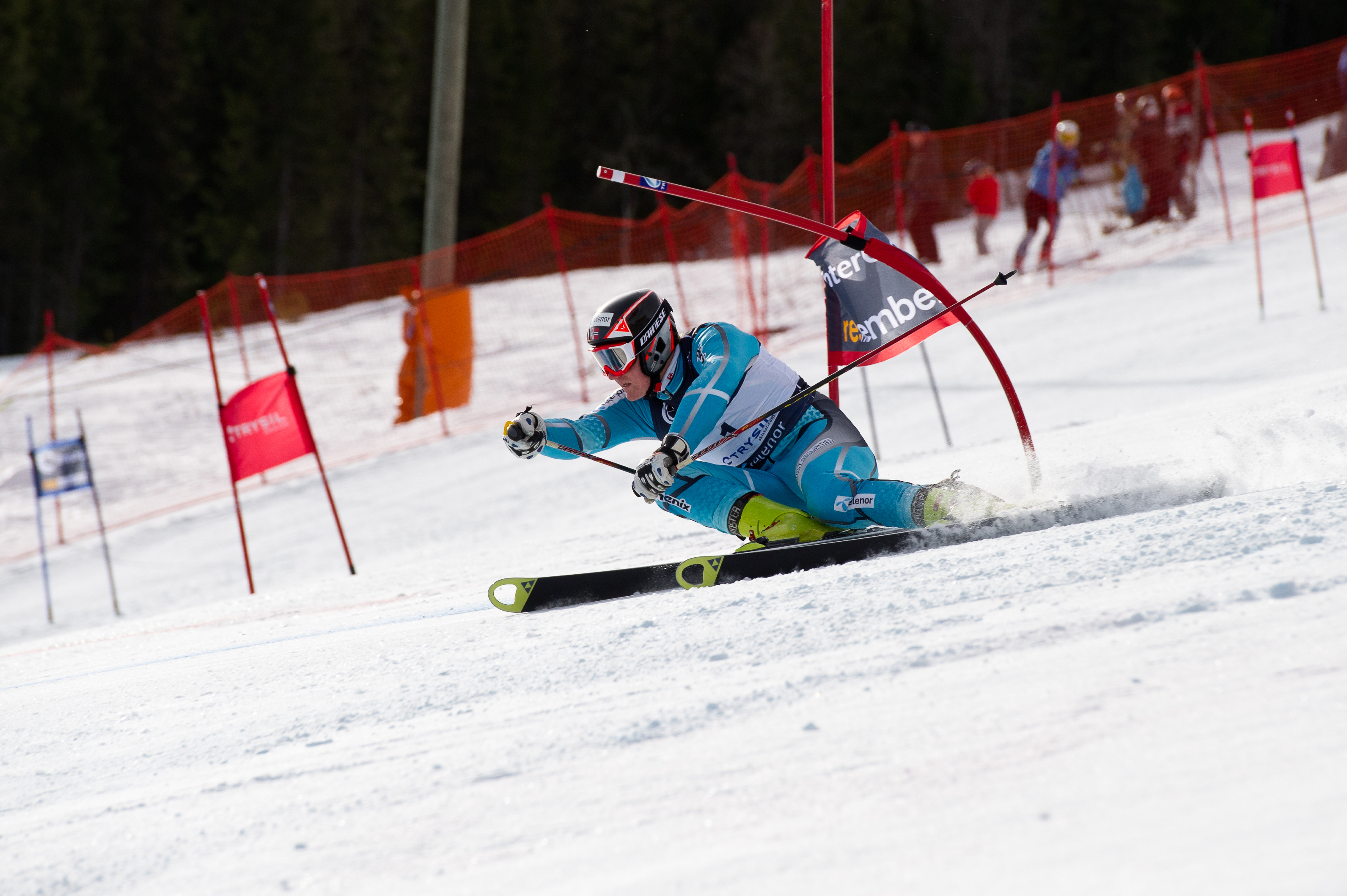
Since the previous Winter Games, alpine skiing has undergone noticeable changes. Equipment innovation has improved stability at higher speeds, while athlete conditioning has reached new levels of intensity.
At the same time, safety measures have become a major focus following several high-profile injuries in recent seasons. Course design now balances spectacle with athlete protection, aiming to preserve excitement while reducing risk.
Experts say these adjustments could influence racing strategies, with competitors choosing smarter, more controlled runs rather than all-or-nothing aggression.
Why These Medal Races Matter Beyond Sport
Olympic alpine skiing medals often shape national pride and athlete legacies for decades. A single gold medal can transform a skier into a global icon overnight.
Beyond individual achievements, the competition also highlights broader themes — climate challenges affecting winter sports, technological innovation, and the global growth of skiing among younger audiences.
For fans, the events represent more than competition. They symbolize resilience, preparation, and the pursuit of perfection under immense pressure.
The Road to Olympic Glory
As the 2026 Winter Games approach, predictions remain uncertain — and that uncertainty is part of the excitement. Veterans chasing history, rising stars seeking breakthrough moments, and unpredictable mountain conditions ensure that no outcome is guaranteed.
What is certain, however, is that alpine skiing will once again deliver edge-of-your-seat drama.
Key takeaway: The alpine events at the 2026 Winter Olympics are shaping up to be a clash between legendary champions and fearless newcomers, where milliseconds will decide careers and unforgettable Olympic moments will be written in snow.
For More Information

For More Read
Olympic Favorites to Major Disappointment — The USA Hockey Story Everyone’s Talking About
No Medal, But a Standing Ovation: Ilia Malinin’s Gala Performance Stole the Olympics
Alysa Liu’s Stunning Comeback Ends America’s 24-Year Gold Drought